

How to Insulate Ductwork with Black Rubber Insulation
Proper installation of ductwork insulation is essential to prevent condensation and maintain the temperature within the system according to design specifications. This article will explain the installation methods for black rubber insulation (closed-cell insulation) and various techniques for achieving attractive installations for both ductwork wrapping and duct flange covering.
3T Recommendations
If you are interested in the types of black rubber insulation (closed-cell insulation) and how they differ, including NBR (Nitrile-Butadiene Rubber) and EPDM (Ethylene-Propylene Diene Monomer) types, or what Class 1, Class 0, and FM Approved black rubber insulation are and how they differ, you can read more here.
You can read the installation method for black rubber insulation for cold pipe insulation here.
Insulating Rectangular Ductwork with Black Rubber Sheet Insulation
Measure the dimensions and area of the air ductwork and cut the insulation according to the following dimensions:
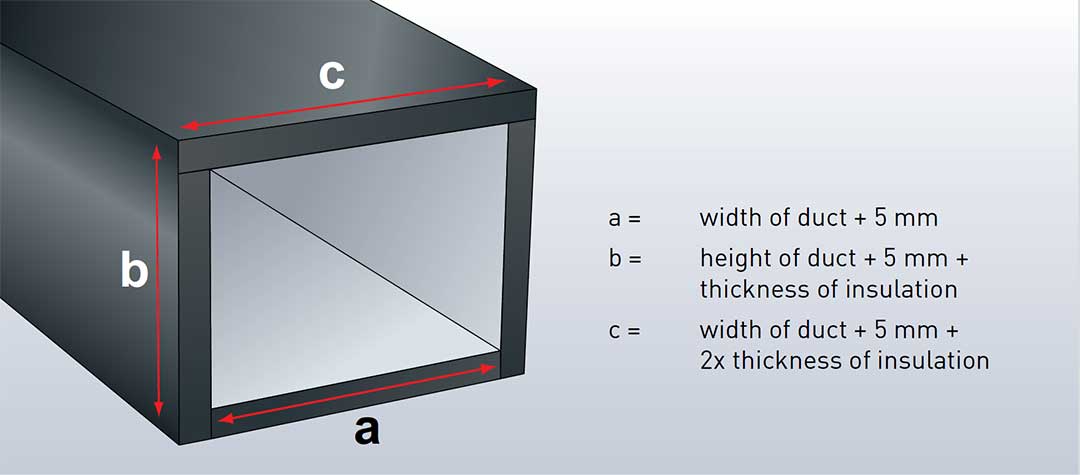
Image - Black rubber insulation dimensions for ductwork
a = Duct width + 5 mm
b = Duct height + 5 mm + Insulation thickness
c = Duct width + 5 mm + (2 x Insulation thickness)
3T Recommendations
Allow an extra 2.5 mm length of insulation on each side because when installed, the weight of the insulation will cause it to sag or compress, reducing the insulation width.
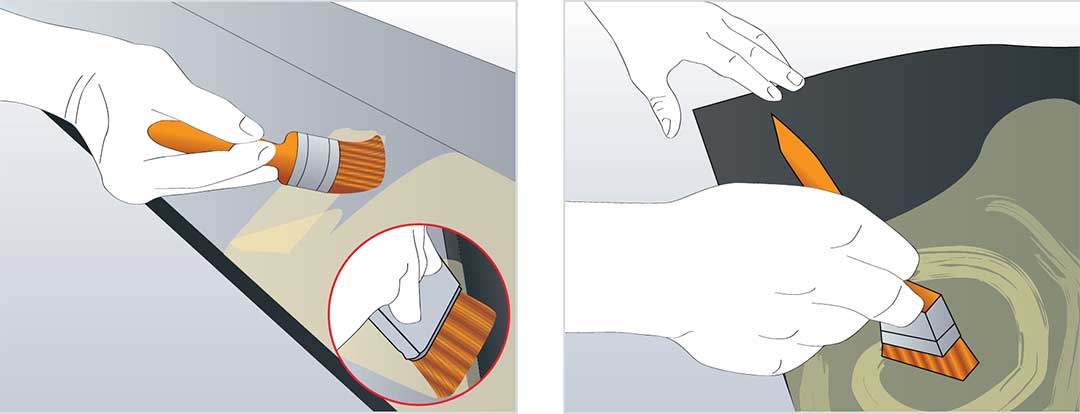
Image - Apply adhesive to ductwork surface and black rubber insulation as a thin film layer
Apply adhesive to the ductwork surface and black rubber insulation surface as a thin film layer.
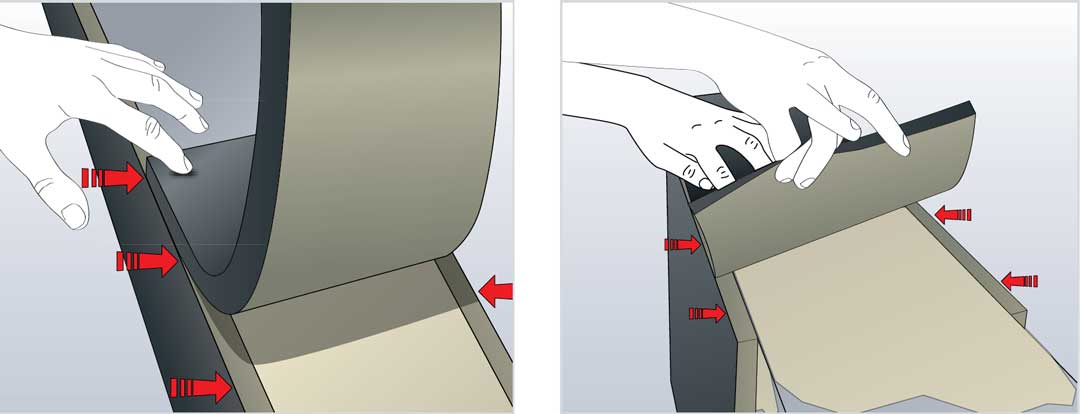
Image - Wait for black rubber insulation adhesive to dry before placing insulation on ductwork
Wait for the adhesive to dry. Test by touching with fingernail (Fingernail Test). Install the black rubber insulation by ensuring the edges of each side of the insulation are tightly joined.
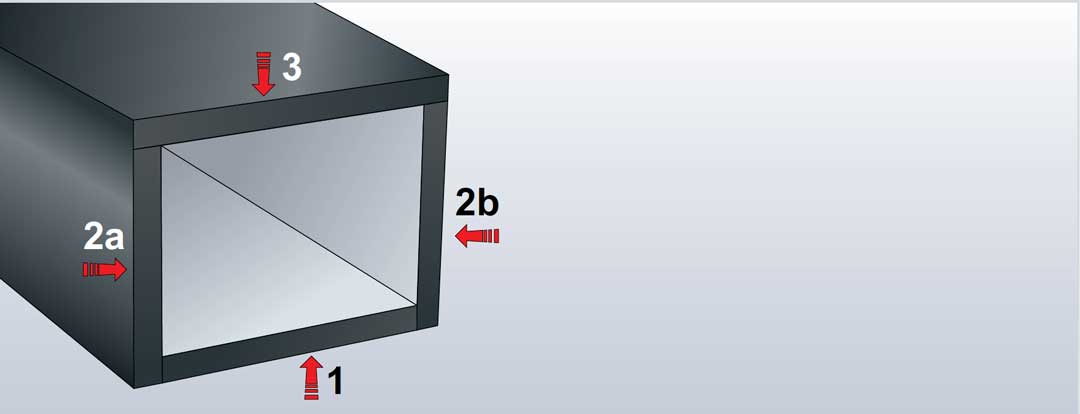
Image - Installation sequence starting with Side 1 first and finishing with Side 3 as the last side
Install the black rubber insulation starting from the bottom of the ductwork first (Side 1), then do both sides (Sides 2a and 2b), and the top (Side 3) as the final side.
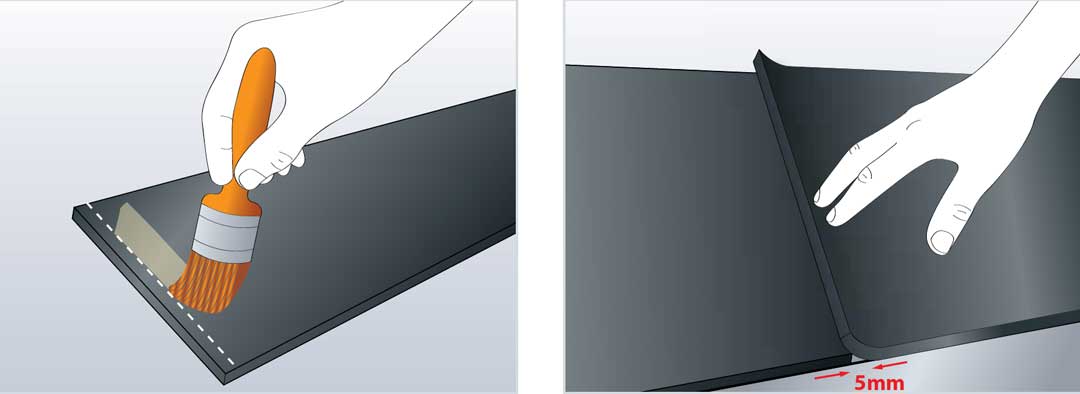
Image - Leave 5-10 mm adhesive-free gap at insulation joints and install with 5-10 mm insulation overlap
At the joint areas of the black rubber insulation, we must leave a distance for the insulation to overlap by 5-10 mm. In this 5-10 mm range, we will not apply adhesive to the insulation and the ductwork surface area.
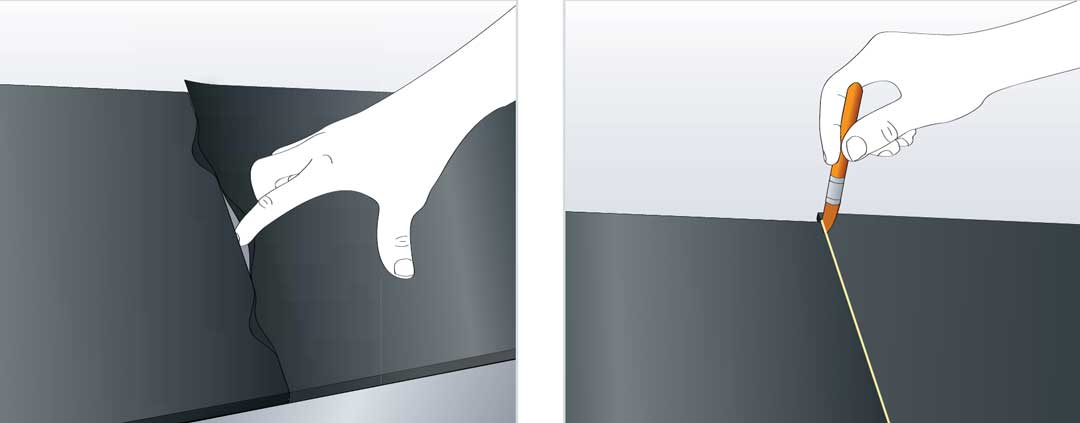
Image - Press down the overlapping black rubber insulation at joints to make tight contact with the front insulation section
We will press the overlapping insulation sections down to make them tightly joined. The overlapping distance can be pressed down because black rubber insulation has a soft characteristic, and when the black rubber insulation returns to its original shape, it will press against the front insulation section, making them tightly joined.
After pressing the insulation down, apply black rubber insulation adhesive to seal the joints tightly once more.
Insulating Rectangular Ductwork with Self-Adhesive Black Rubber Sheet Insulation
Before installing black rubber insulation, clean the ductwork surface before installation to remove oil stains, grease, and various dust particles.
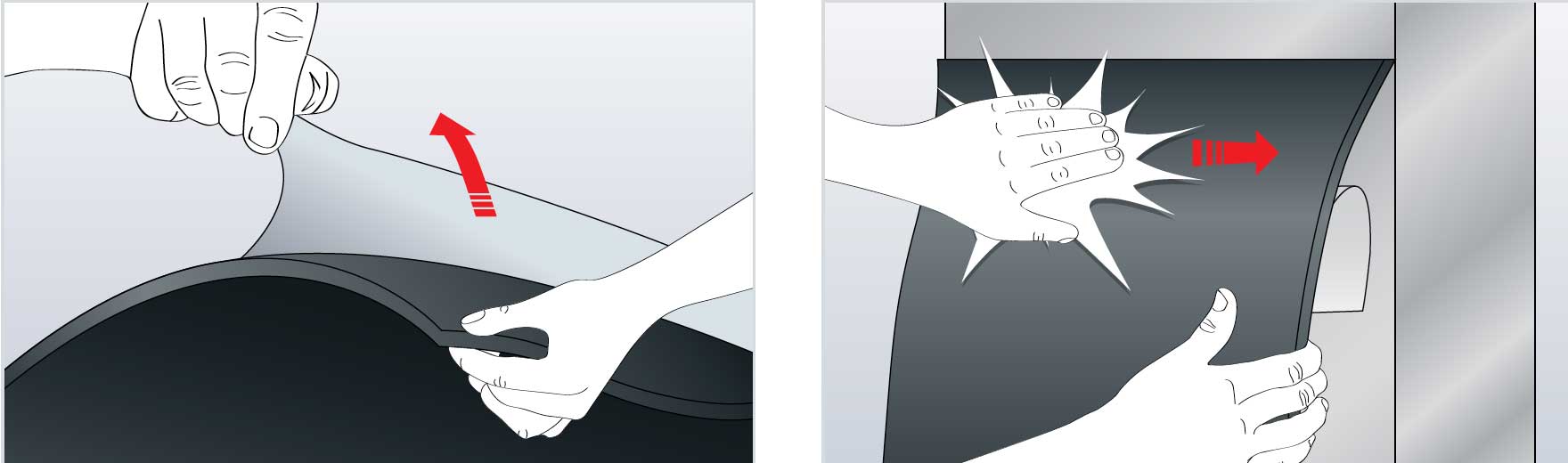
Image - Installation of self-adhesive black rubber insulation
Peel off the adhesive paper for 10-20 cm and attach the insulation to the ductwork surface to ensure the insulation will adhere tightly to the pipe surface.
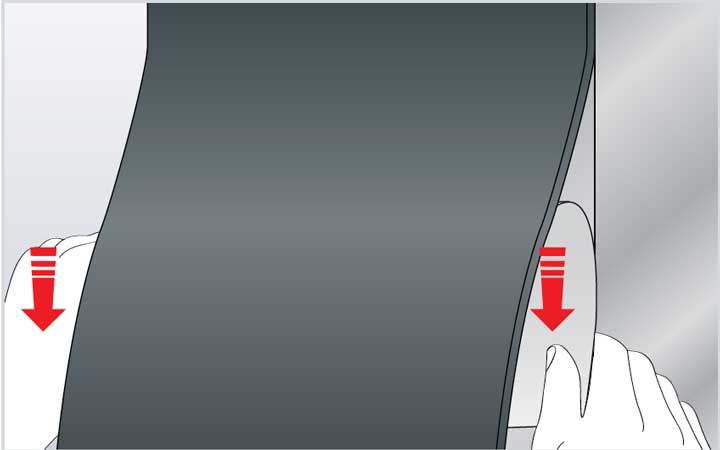
Image - Hold insulation edges to overlap 5 mm from ductwork on each side and slowly peel off adhesive paper
After adhering for 10-20 cm, we will hold the side edges of the insulation to overlap 5 mm from the ductwork surface on each side to provide pressing distance for the insulation. Then slowly peel off the adhesive paper gradually.
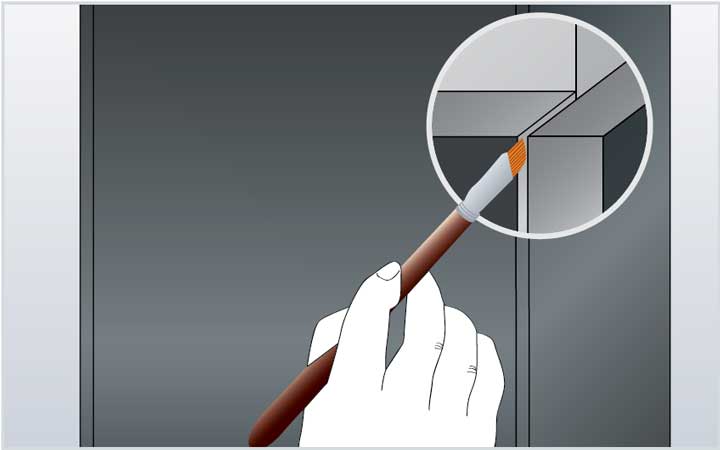
Use joint sealing
Use black rubber insulation adhesive to seal the insulation joints to ensure tight adhesion.
Insulating Ductwork Flanges
Insulating Ductwork Flanges with Black Rubber Tube Insulation
Sometimes when black rubber tube insulation is left over from use, we can use it to cover ductwork flanges.
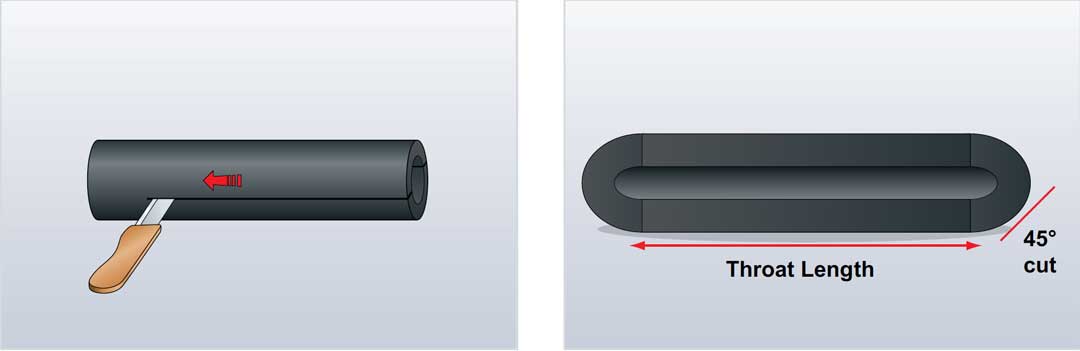
Split black rubber tube insulation into 2 tubes along the length to match the ductwork flange length
1. Split the black rubber tube insulation along the length of the insulation into 2 equal parts, using insulation thickness equal to the thickness used for ductwork covering
2. Measure the length of all 4 sides of the ductwork flange to cut the insulation length
3. Once the flange dimensions are obtained, cut the insulation at a 45° angle
4. Cut the insulation according to the length of the remaining 3 sides
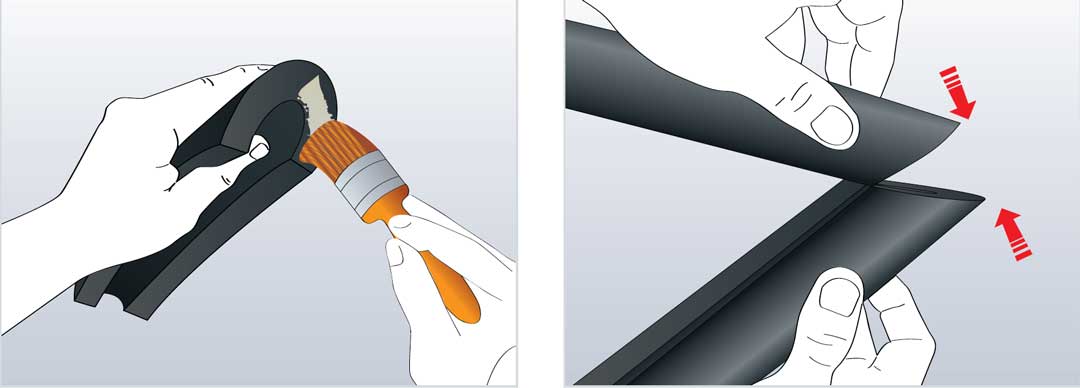
Apply insulation adhesive at the 45° cut areas to form the flange frame
5. Wait for the adhesive to dry by using fingers to test whether the adhesive is dry.
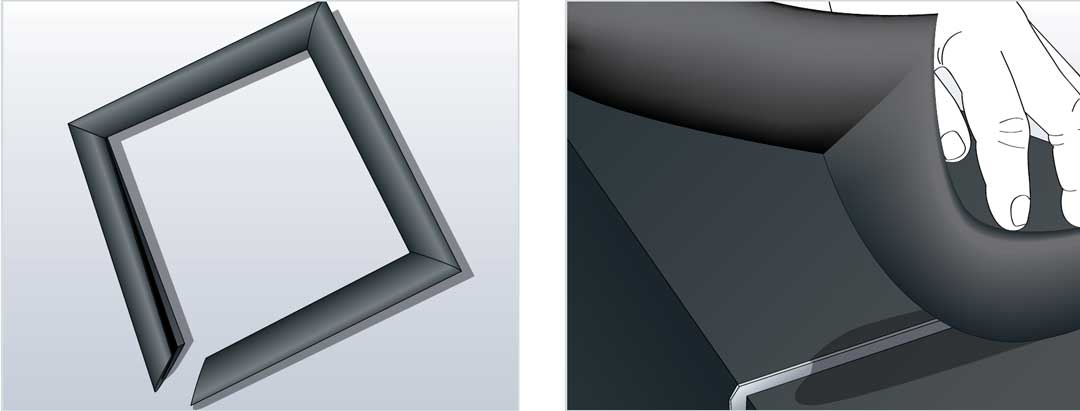
Install by placing the groove area of the insulation over the ductwork flange edge and use insulation adhesive to seal the final corner
6. Use insulation adhesive to seal around the insulation frame to complete the installation.
Insulating Ductwork Flanges with Black Rubber Sheet Insulation
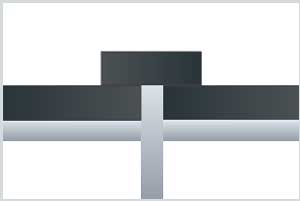
Single strip method – Cut black rubber sheet insulation according to the length of each flange side and apply the insulation sheet to cover the flange using insulation adhesive
Application – Used when insulation thickness is similar to flange width

Three side box method – Cut insulation sheets for each side to cover the ductwork flange
Application – Used when flange width differs significantly from insulation thickness
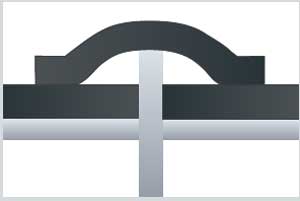
Continuous single strip method – Cut sheet insulation into a strip with the total length of all 4 flange sides and apply it across the ductwork flange
Application – Used when installation time is limited, but has the disadvantage of being quite wasteful of insulation
Black rubber insulation for air duct pipes

Source
- ARMAFLEX Application manual – https://local.armacell.com/th/armacell-thailand/know-how/ducting-explored/


