All About ROCKWOOL Stone Wool Insulation
In large-scale construction industries, people have become familiar with ROCKWOOL materials, and many inquire about the properties and efficiency of ROCKWOOL insulation, particularly regarding safety features like fire protection, soundproofing walls, or heat-insulating roofs. We have compiled frequently asked questions and written this article to cover everything about ROCKWOOL stone wool insulation.
What are Stone Wool and ROCKWOOL?
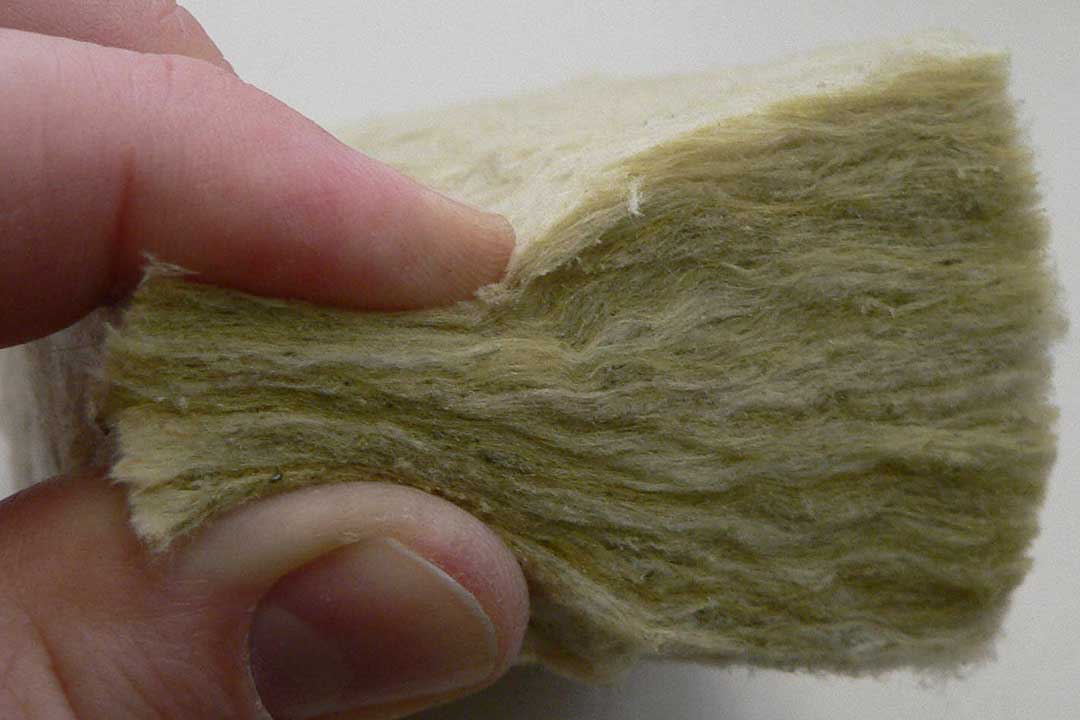
Image - Stone wool fibers, Source: Wikipedia
Stone wool or Stonewool is fiber produced from molten basalt and dolomite rock at high temperatures, blown into silk-like fibers with properties for heat insulation and sound absorption
Image - ROCKWOOL brand, stone wool insulation manufacturer
ROCKWOOL is a stone wool manufacturing company from Denmark that produces thermal insulation under the ROCKWOOL brand. They have improved and developed high-quality stone wool fibers suitable for building and industrial applications, such as:
low water absorption insulation using thermoset-coated fibers, chloride content control to prevent corrosion, high-density insulation with low shrinkage for fire protection, and vertical fiber insulation for sandwich panels
Misconceptions About Stone Wool Being Carcinogenic
Many people mistakenly believe that “stone wool is dangerous.” This misconception stems from a material called Asbestos which is carcinogenic. Due to similar translations from English to Thai stone wool and asbestos this misunderstanding has occurred
To be certain that stone wool is not carcinogenic, we can verify carcinogenic substances from the International Agency for Research on Cancer or IARC
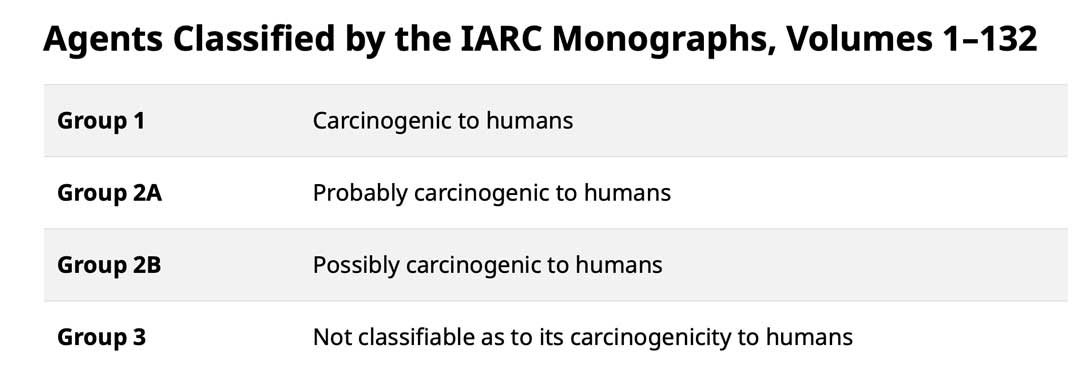
Image - IARC table classifying carcinogenic and non-carcinogenic substances
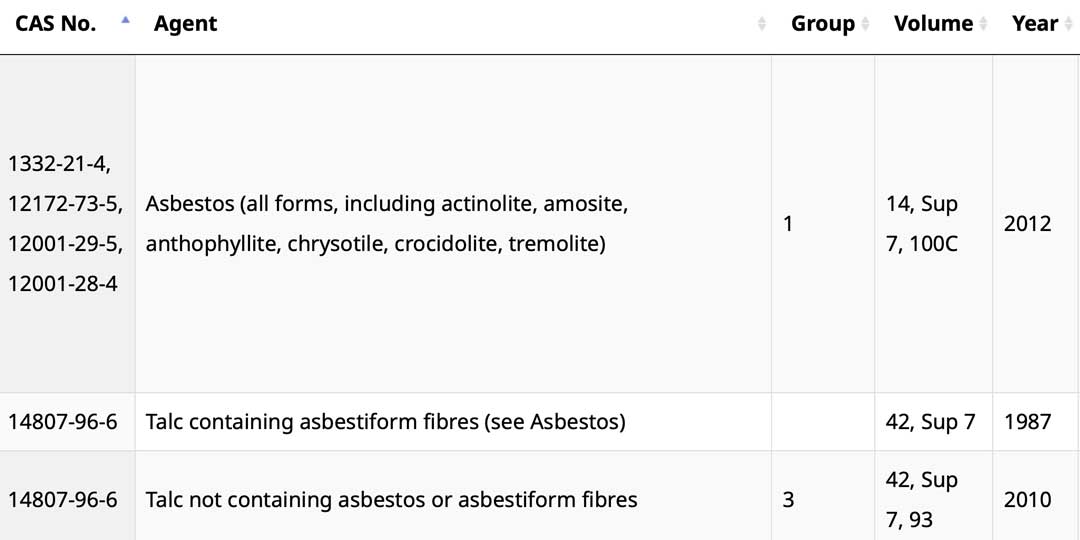
Image - IARC table showing Asbestos as carcinogenic

Image - IARC table showing ROCKWOOL as non-carcinogenic
What are the properties of stone wool?
Fire Resistance Properties
ROCKWOOL stone wool insulation, made from volcanic rock, is non-combustible and can withstand temperatures up to 1,000°C. Tested according to EN13501-1 standard, ROCKWOOL stone wool is used in fire protection applications to seal building joints
Thermal Insulation Properties
ROCKWOOL stone wool insulation has a low thermal conductivity of just 0.033 W/m.K, helping roof and wall systems installed with ROCKWOOL stone wool save more energy and reduce electricity costs
Acoustic Properties
ROCKWOOL insulation has noise control capabilities. When installed in walls, it helps prevent external noise from traffic or adjacent rooms. When wrapped with fire-rated glass cloth, it can be installed in machine rooms to absorb sound and reduce echo
Durability Properties
ROCKWOOL products are highly durable stone wool insulation with strong dimensional stability, neither expanding nor contracting even in humid conditions. After installation, it can last with the building for the long term
Water Properties
Even when ROCKWOOL insulation gets wet, water droplets don’t penetrate the insulation material but form small beads that roll off the surface. When air flows through, it naturally evaporates without any impact on the insulation
Circular Sustainability
Although natural rock is the most abundant raw material, we must use resources most efficiently. In the production process, waste and residual materials can be recycled back into the production cycle
ROCKWOOL Stone Wool and Green Building
Green buildings represent a trend in modern construction for sustainable energy use and environmental protection. Using ROCKWOOL insulation can help building owners earn additional credits in green building standards
Recycled Content LEED v4
For LEED v4 standard, ROCKWOOL stone wool helps earn credits in the Materials and Resources (MR) category
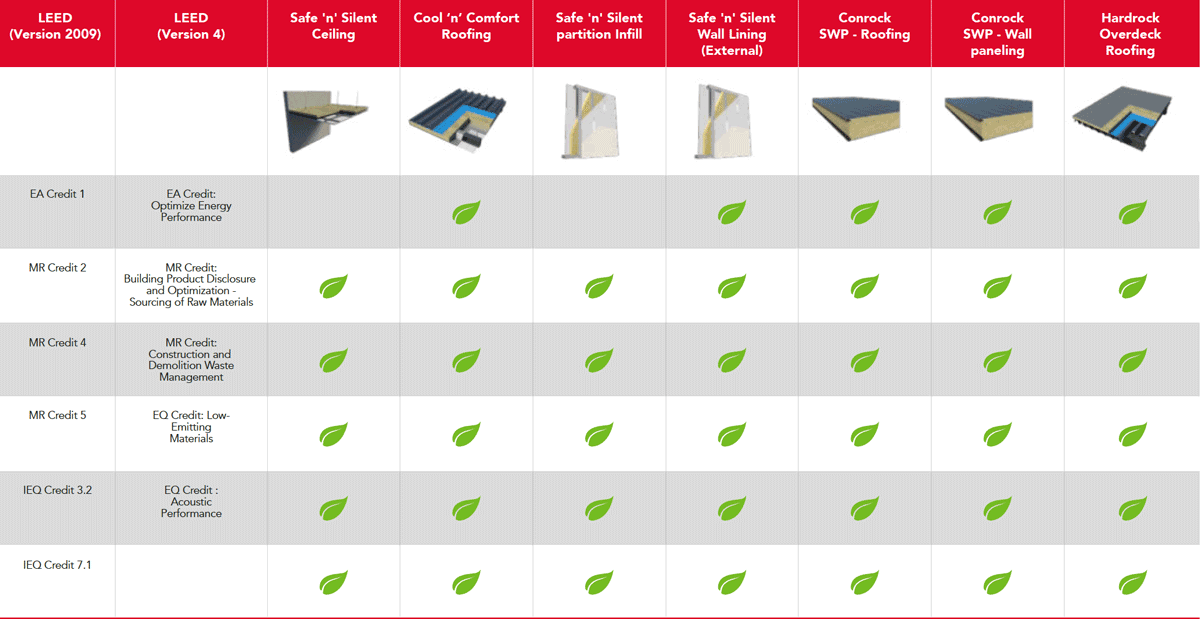
Image - Product table showing credit points for LEED v4
WELL Building Standard
The WELL Building Standard prioritizes occupant wellbeing, focusing on building structure, interior design, and building community. Products used in WELL Standard are checked for compounds, volatile emissions, formaldehyde, and other factors.
ROCKWOOL stone wool, which has been certified and verified to standards, can be used in WELL Standard to help create a better environment for building occupants
Calculating ROCKWOOL Stone Wool Thickness with Rockassist
RockAssist program is used to calculate ROCKWOOL stone wool thickness for industrial applications, whether for steam pipes, oven walls, or boilers. You can use RockAssist to calculate and print reports directly
3T Recommendations
You can read how to use the RockAssist program in this article
Stone Wool – Why It Must Be ROCKWOOL (Why Not Other Brands)
Heat Insulation
The heat protection capability of ROCKWOOL stone wool is certified by ASTM C518 standard to ensure users’ confidence in insulation efficiency
Itchiness
According to insulation installers, using ROCKWOOL stone wool doesn’t cause itching or irritation, which is highly beneficial for contractors
Water Retention
ROCKWOOL stone wool is coated with thermoset, preventing water absorption. Water droplets roll off the insulation, and when air flows through, the droplets naturally evaporate
Applications of ROCKWOOL Stone Wool
ROCKWOOL for Roof Insulation
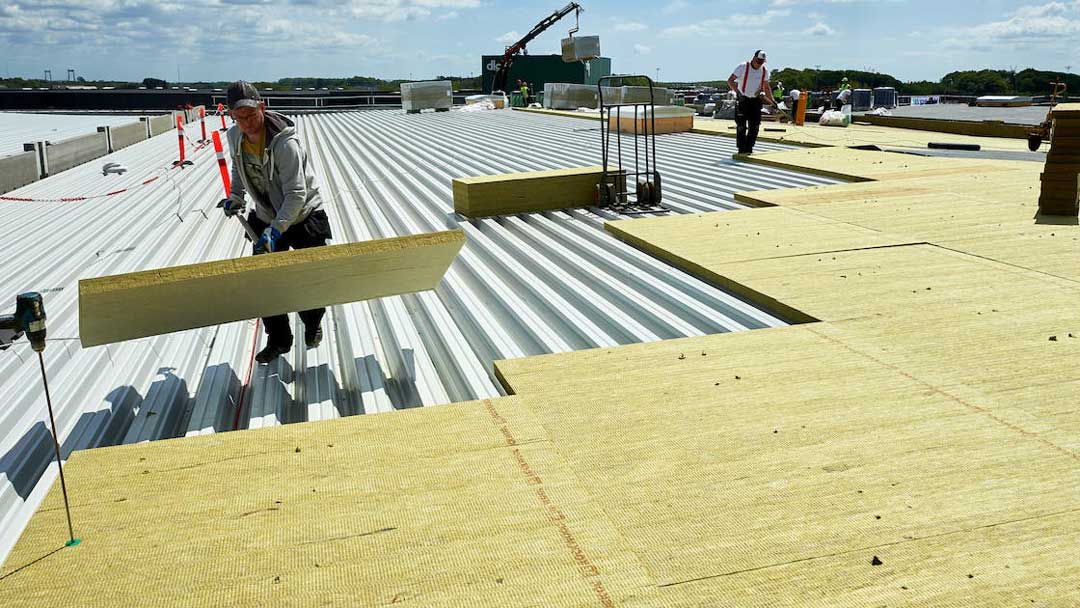
Image - Using ROCKWOOL stone wool for roof heat insulation
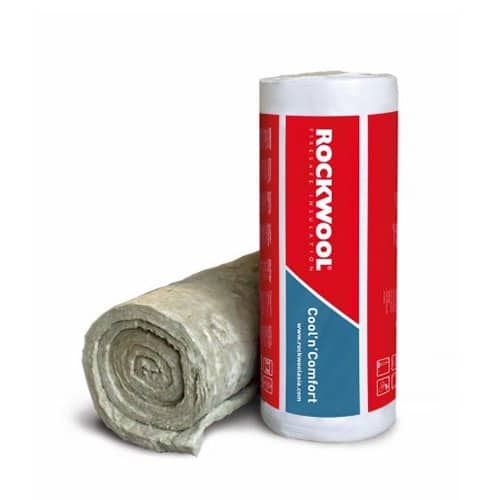
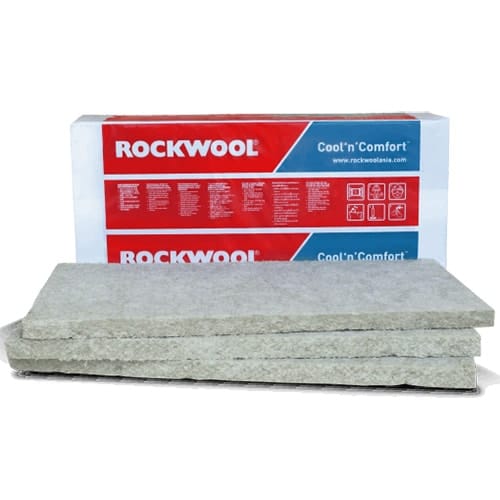
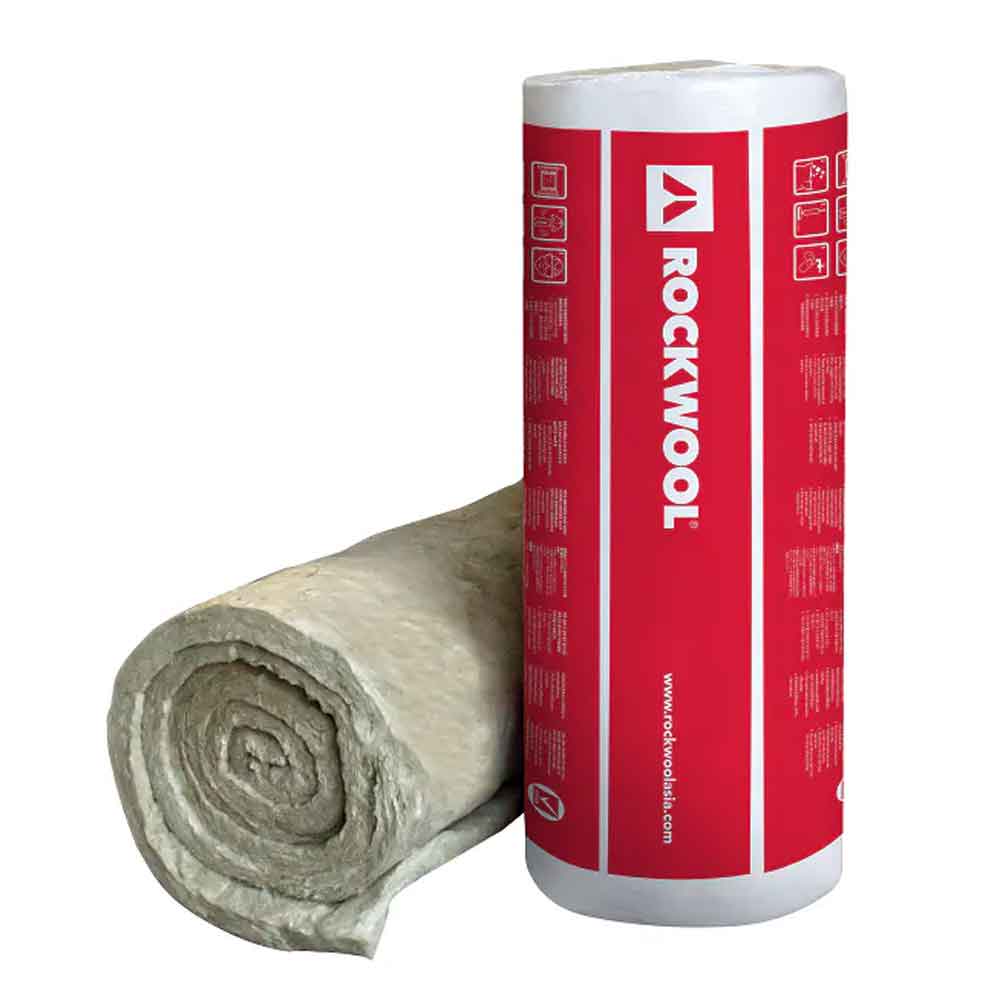
Stone wool designed for roof insulation is ROCKWOOL Cool ‘n’ Comfort, available in both roll and board forms. Boards are typically used for purlin channels, while rolls are convenient for spreading across roof structures.
For metal sheet roofs that receive the most heat, factories are recommended to use Cool ‘n’ Comfort RL940 with 60 kg/m³ density, in 50 mm or 100 mm thickness depending on budget
ROCKWOOL Stone Wool for Roofing
ROCKWOOL for Acoustic Wall Insulation
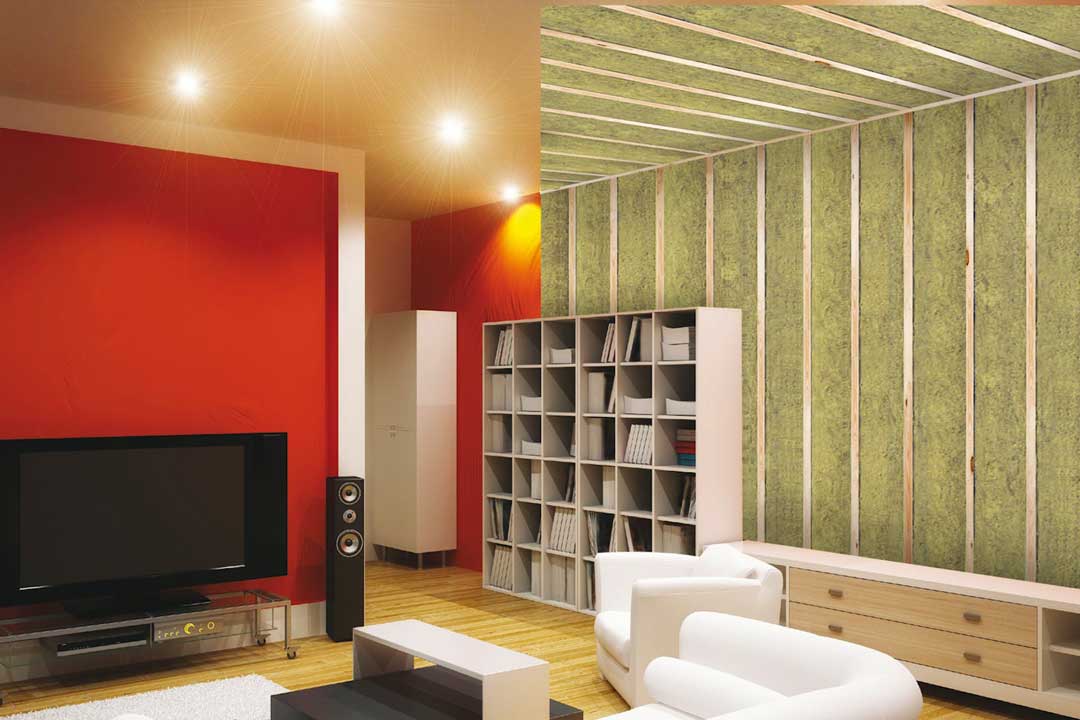
Image - Using ROCKWOOL stone wool for acoustic wall insulation
ROCKWOOL acoustic insulation uses Safe ‘n’ Silent Pro with densities from 40-100 kg/m³ and thicknesses of 50-100 mm. Higher density and thickness provide better heat and sound insulation
ROCKWOOL Stone Wool for Acoustic Walls
3T Recommendations
You can read about sound insulation in this article
ROCKWOOL for Fire Barrier
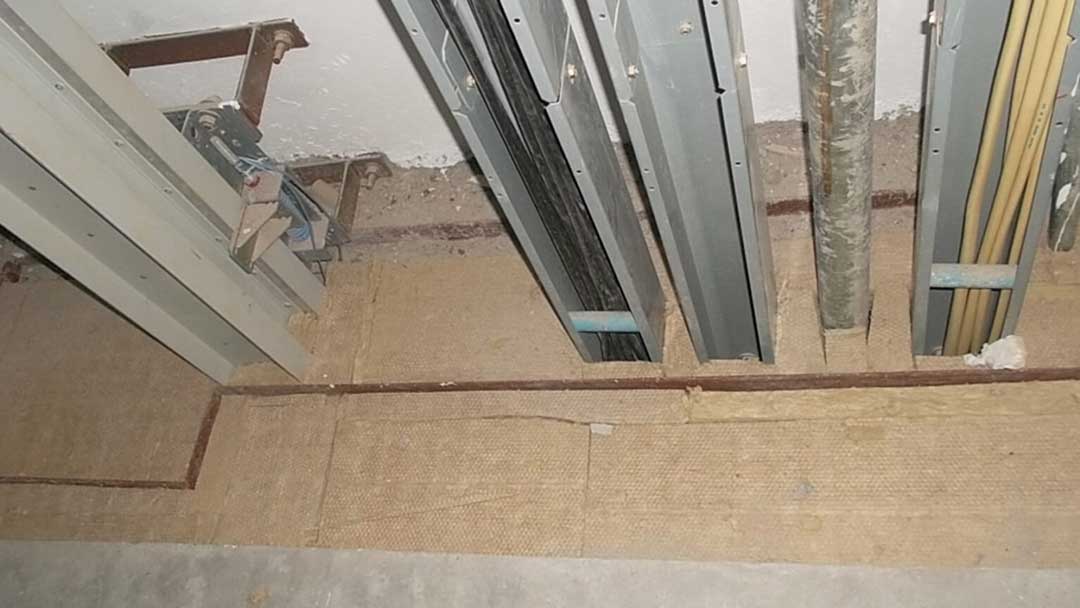
Image - Fire barrier installation, Source: CSS Fire Barrier
Fire barrier insulation is used with other fire protection products such as 3M, Hilti, ArmaProtect. Installation and design methods reference UL standards, and most ROCKWOOL stone wool used is ThermalRock S and Conlit H110, which are high-density stone wool specifically for fire protection
ROCKWOOL Stone Wool for Fire Protection
ROCKWOOL for Curtain Wall
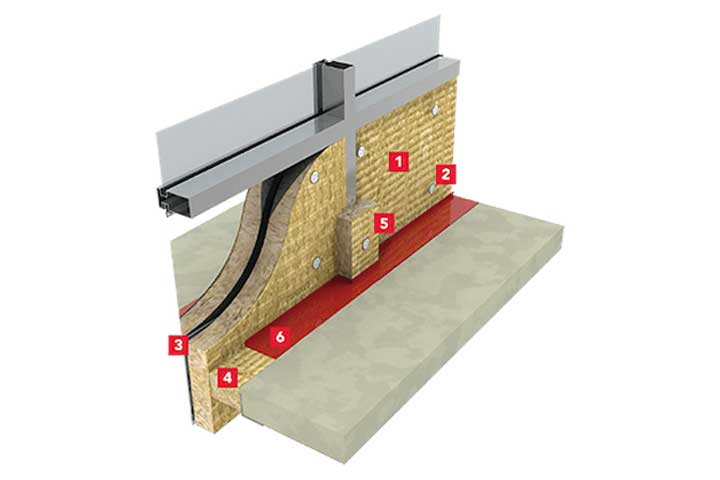
Image - Using ROCKWOOL stone wool for curtain wall applications
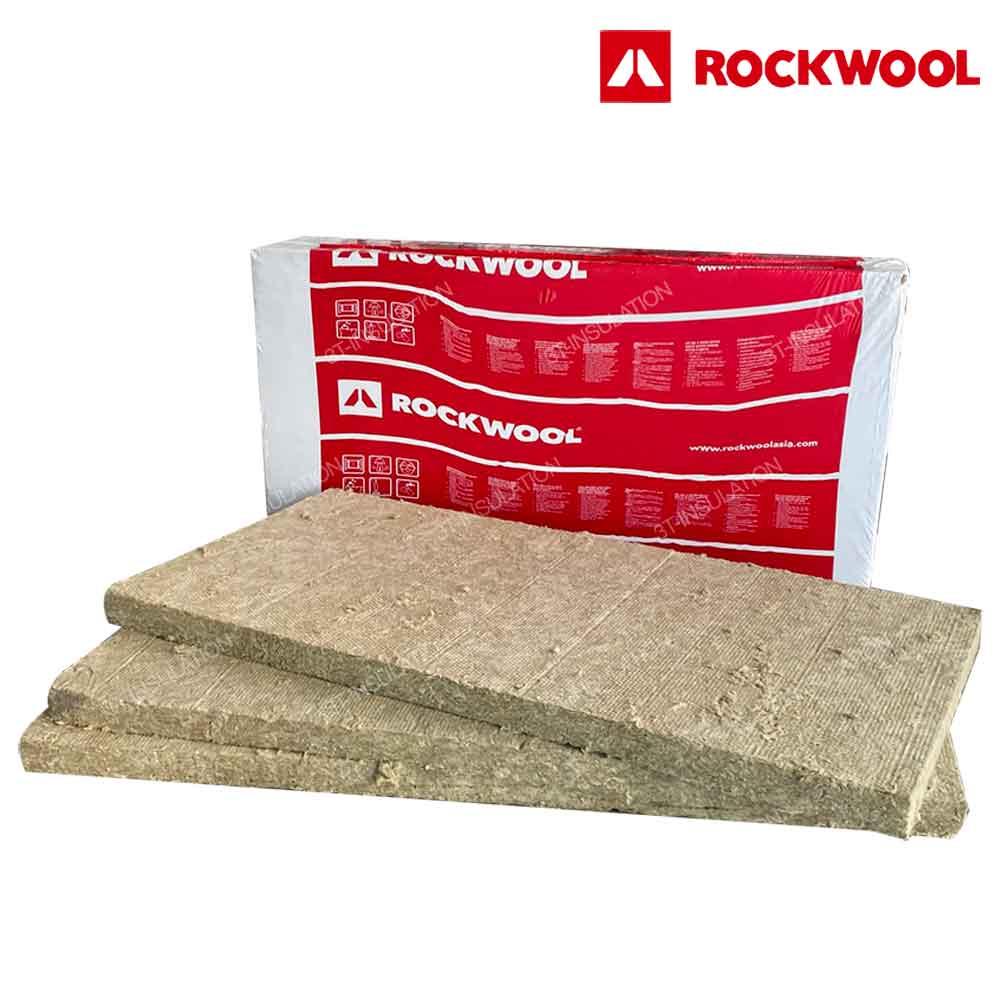
ROCKWOOL insulation for curtain walls refers to sealing gaps between glass and building floors. By law, these joints must be sealed. ROCKWOOL developed RockSafe Plus with 80 kg/m³ density and 135 mm thickness, certified to BS476 Part 20 with 2-hour fire protection
ROCKWOOL Stone Wool for Curtain Walls
ROCKWOOL for Air Conditioning Systems
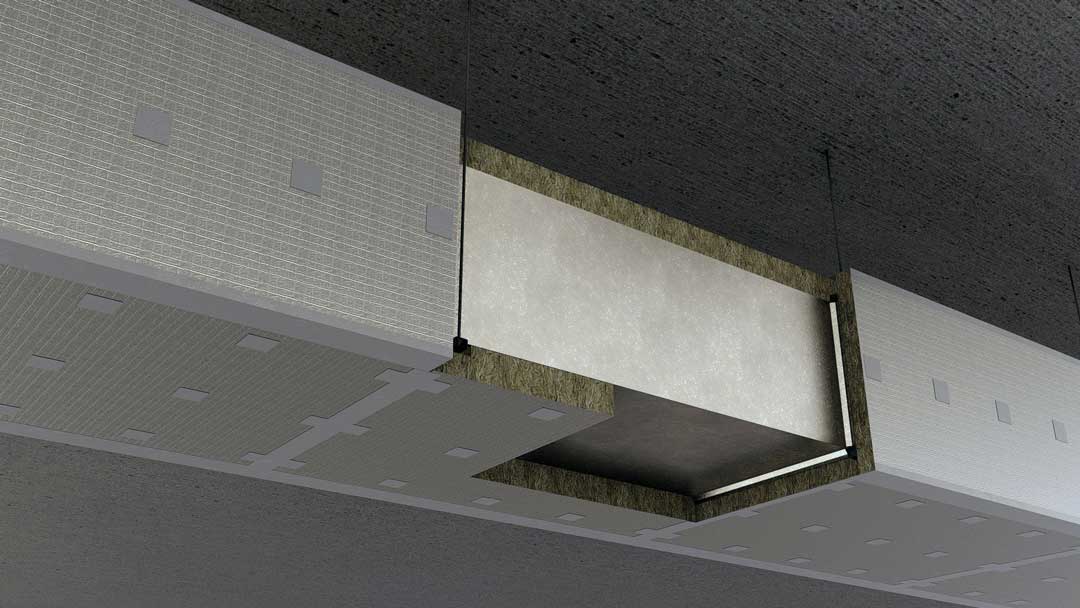
Image - Using ROCKWOOL stone wool for hot air ducts
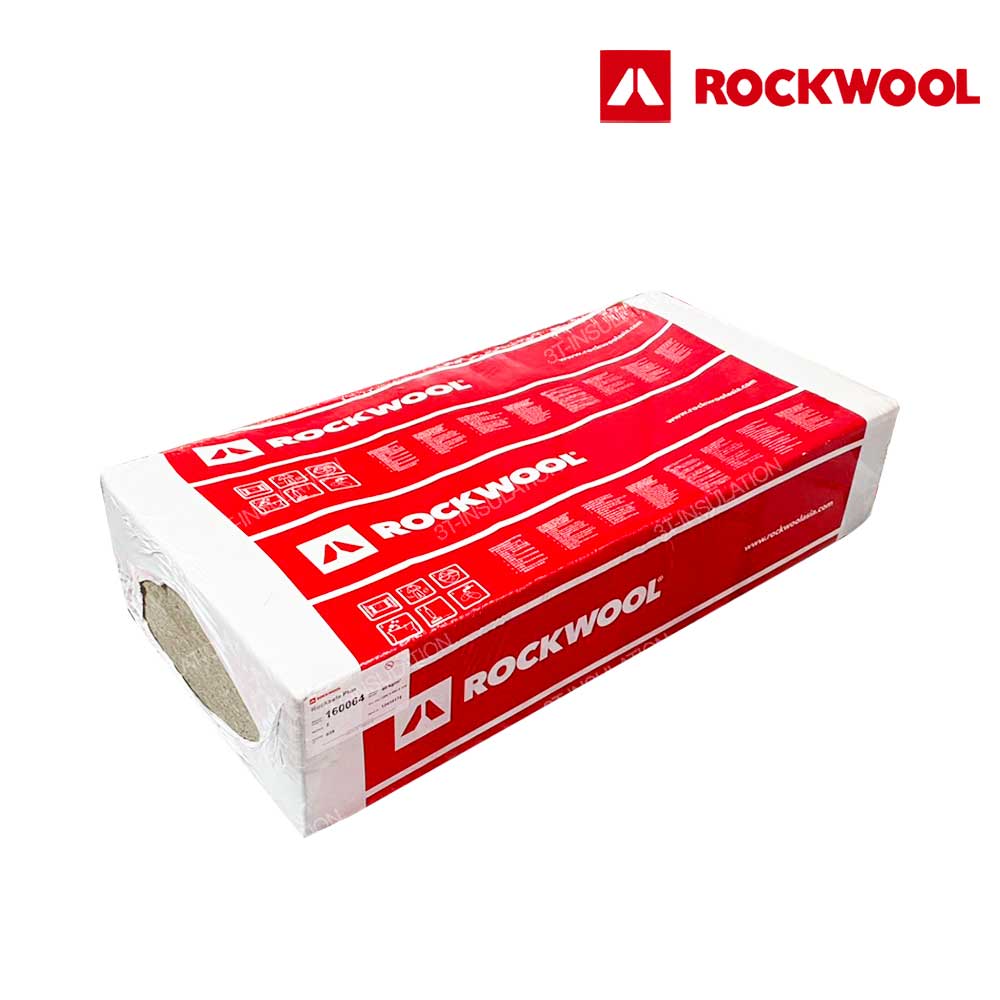
Air conditioning systems include both cold and hot air ducts. ROCKWOOL products are involved in hot air ducts, typically using ROCKWOOL ProRox BL958 50 mm thick with one-sided aluminum foil facing for protection and temperature maintenance
ROCKWOOL for Industrial Applications

Image - Using ROCKWOOL stone wool for industrial applications
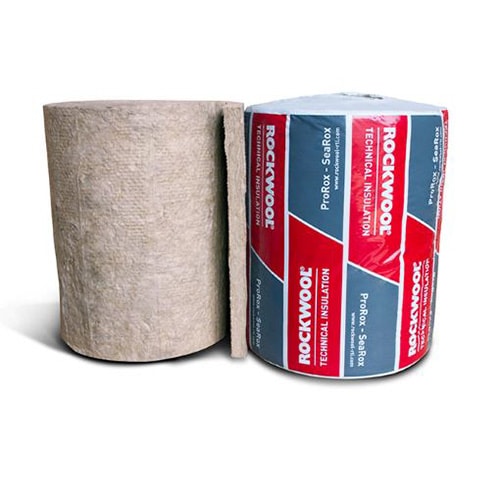
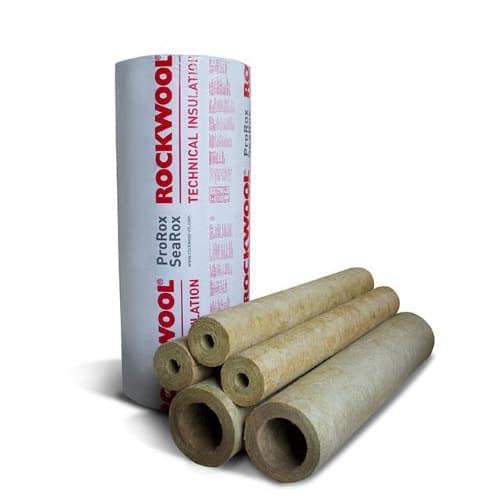
High-temperature industrial applications previously used calcium silicate insulation but have now switched to ROCKWOOL ProRox, available in pre-formed pipe sections, rolls, boards, and wired mats. The variety of forms meets different installation needs, but what’s common is…
ROCKWOOL ProRox insulation is tested for chloride content below 10 ppm to prevent rust on steel pipes or tanks, as rust leads to major maintenance and higher costs than installing quality insulation
ROCKWOOL Stone Wool for Industrial Applications
3T Recommendations
You can read about ROCKWOOL stone wool installation methods in this article


