What are Modern Building Trends: What is a Green Building?
What is a Green Building?
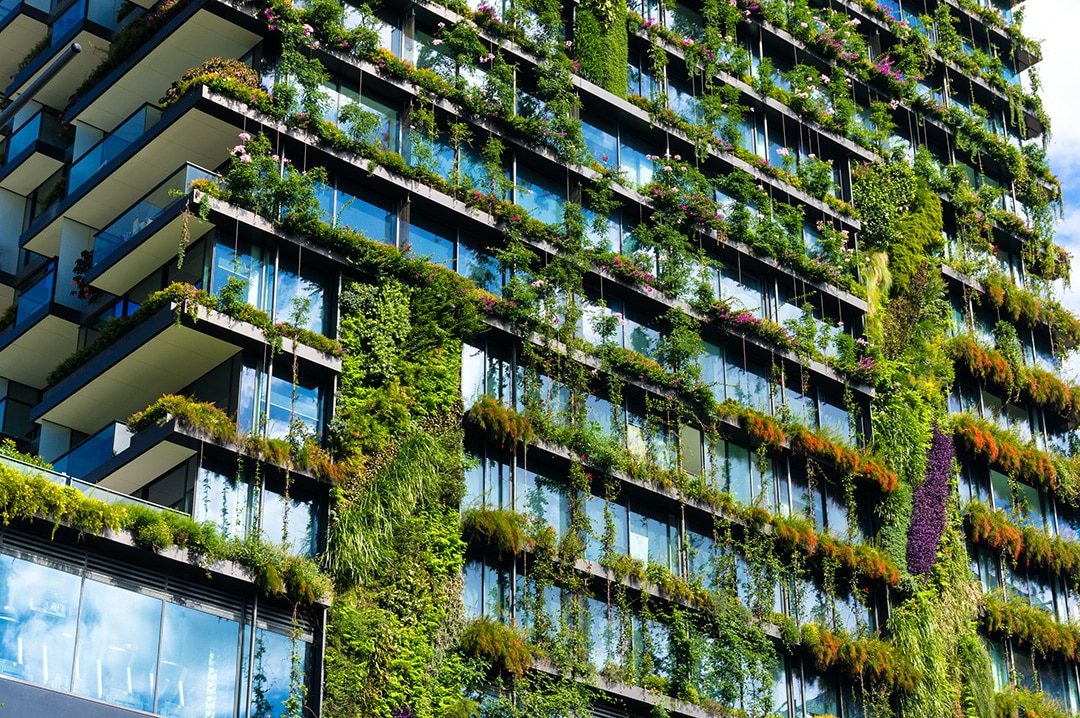
Green Building refers to buildings that are environmentally and socially responsible, with the goal of maximizing resource efficiency while minimizing environmental impact “throughout the building’s lifecycle”
From the building design process, construction, operation, maintenance, and disposal of materials after the building’s end of life
Green building design focuses on the following key aspects:
- Efficient use of water, energy, and resources
- Use of renewable energy or solar power
- Waste reduction and implementation of reuse or recycling
- Indoor environmental conditions and air quality
- Use of non-toxic and sustainable materials
- Environmental consideration throughout design, construction, and building operation
- Consideration of existing life forms throughout design, construction, and building operation
- Design that considers environmental modifications
All buildings can be Green Buildings, including homes, offices, schools, hospitals, association buildings, or other structures
Many people wonder whether a building qualifies as a green building or if an energy-efficient building is considered green. Therefore, standards for green building construction have been established, along with scoring systems to determine the level of green certification
There are 2 popular standards in Thailand: LEED and TREES
LEED (Leadership in Energy and Environmental Design)
LEED is an environmental friendliness assessment standard for buildings developed by the United States Green Building Council (USGBC), established through collaboration of construction industry and building design stakeholders since 1993
LEED certification assessment criteria include:
-
- Water Efficiency (WE)
- Sustainable Sites (SS)
- Materials and Resources (MR)
- Indoor Environmental Quality (IEQ)
- Energy and Atmosphere (EA)
- Regional Priority (RP)
- Innovation in Design (ID)
TREES (Thai’s Rating of Energy and Environmental Sustainability)
TREES is Thailand’s energy and environmental sustainability assessment standard from the Thai Green Building Institute (TGBI), established in 2009 with the main goal of creating knowledge, standards, and design criteria suitable for domestic environmental conditions
TREES certification assessment criteria include:
-
-
- Building Management (BM)
- Site and Landscape
- Water Conservation (WC)
- Energy and Atmosphere (EA)
- Materials and Resources (MR)
- Indoor Environmental Quality (IE)
- Environmental Protection (EP)
- Green Innovation (GI)
-
Benefits of Green Buildings
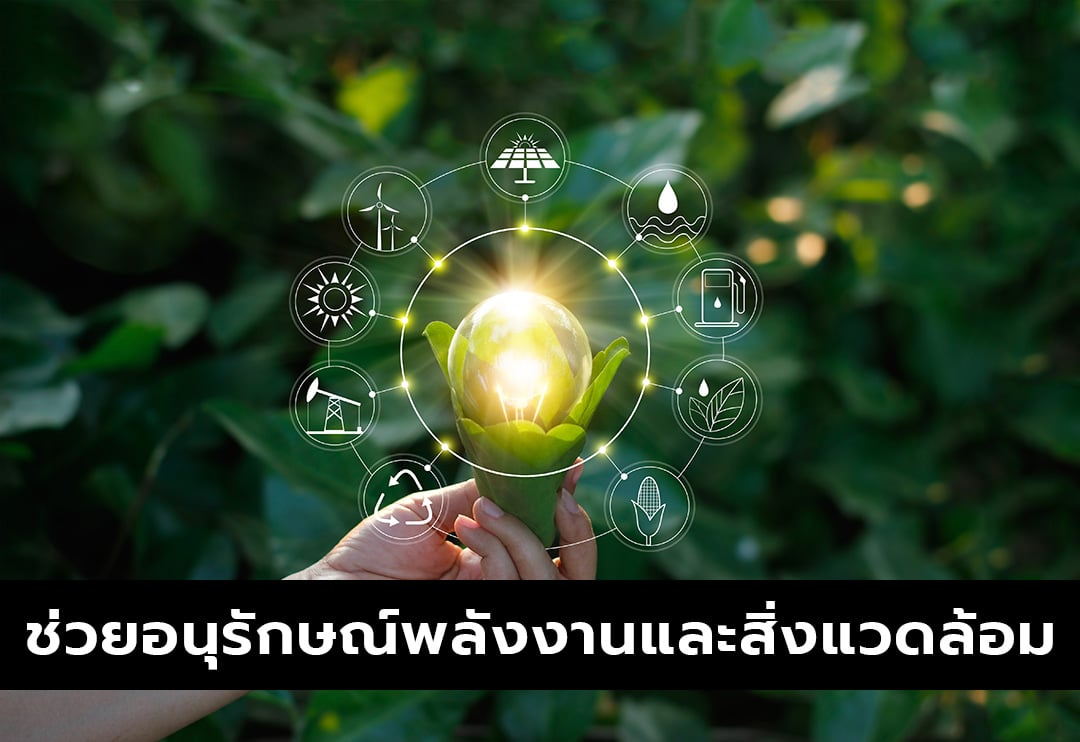
Sustainable Energy and Environmental Conservation
Typically, green buildings reduce energy consumption by approximately 10% – 48% through proper energy management. During construction, there are controls to minimize disturbance to surrounding communities, appropriate project waste disposal, and maintenance of green spaces covering at least 20% of the project area
Reduced Building Management Costs
Main building materials focus on efficient use, long service life, water conservation, and energy savings, with Building Automation System (BAS) controlling utilities, lighting, air conditioning, and other building systems for efficient energy use, such as turning off lights in unoccupied areas and adjusting temperature and humidity based on occupancy

Improved Quality of Life for Building Occupants
Interior building materials are controlled with consideration for occupant health and safety, including low Volatile Organic Compounds (Low VOCs), Indoor Air Quality control, temperature, noise and light control in usage areas, and access to public transportation to reduce private vehicle use
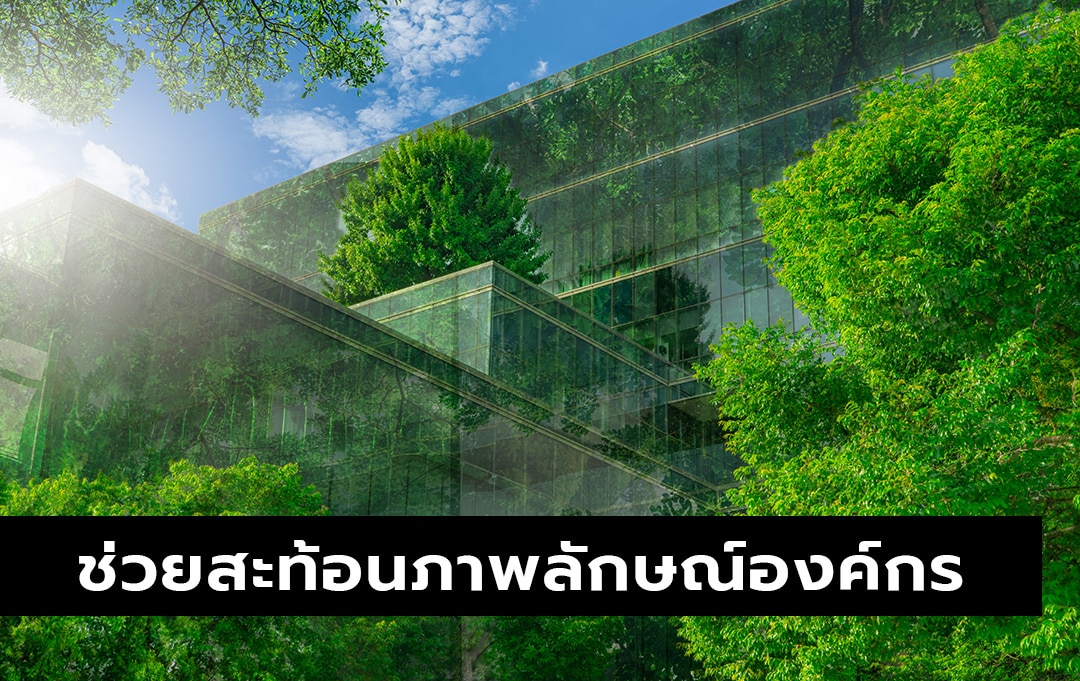
Enhanced Corporate Image
Owning a green building helps reflect corporate vision and enhance organizational image, demonstrating environmental responsibility and people-centric approach, while strengthening corporate confidence and sustainability
Increased Building Value
For rental properties, higher rental rates can be achieved when reflecting the long-term cost savings and quality of life benefits from building usage


