MINEWOOL Ceramic Fiber Board
Price 3,060.00 บาท – 3,160.00 บาทPrice range: 3,060.00 บาท through 3,160.00 บาท
Product Details
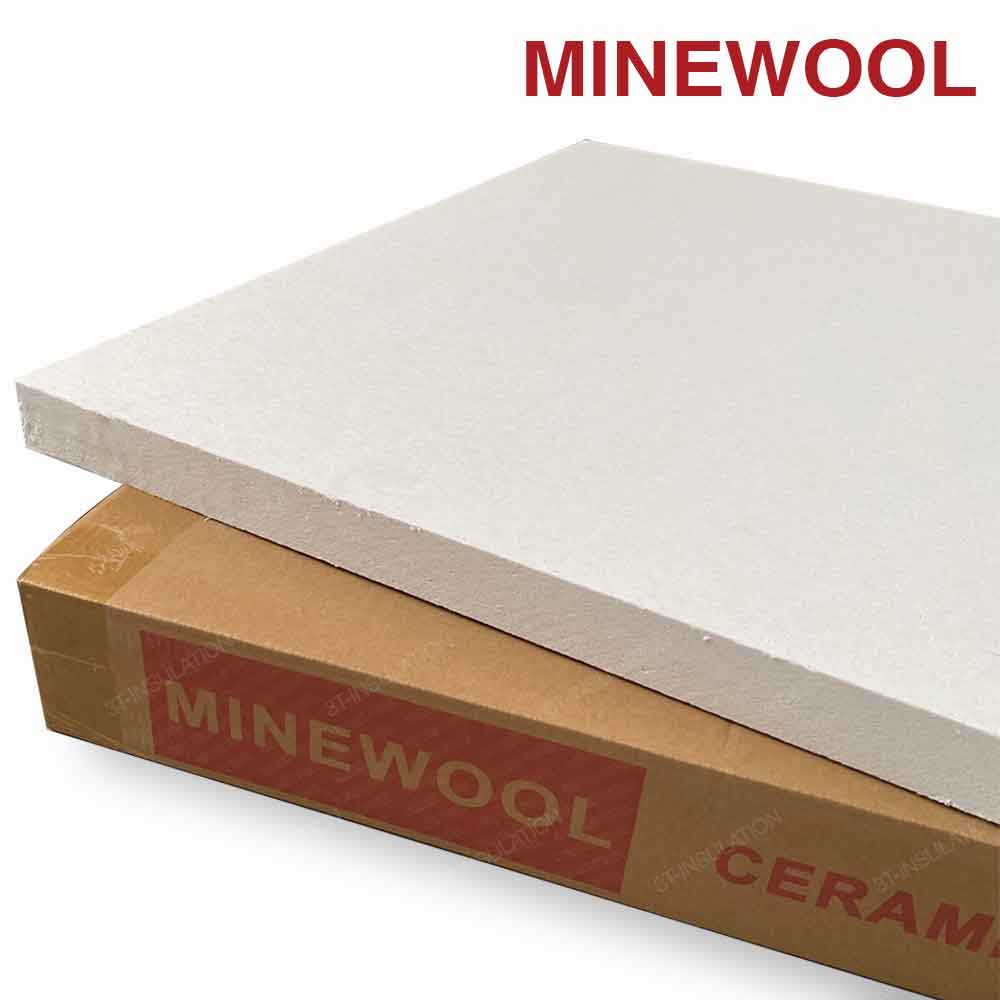
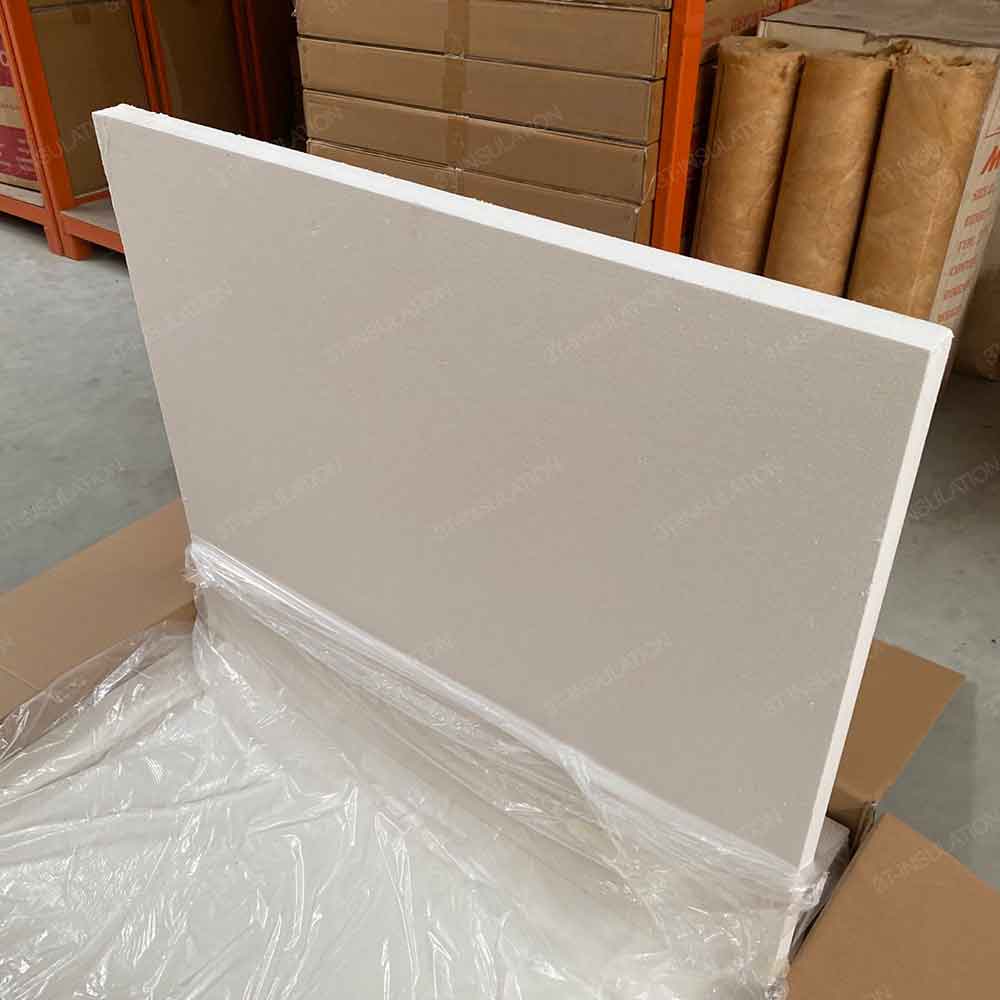
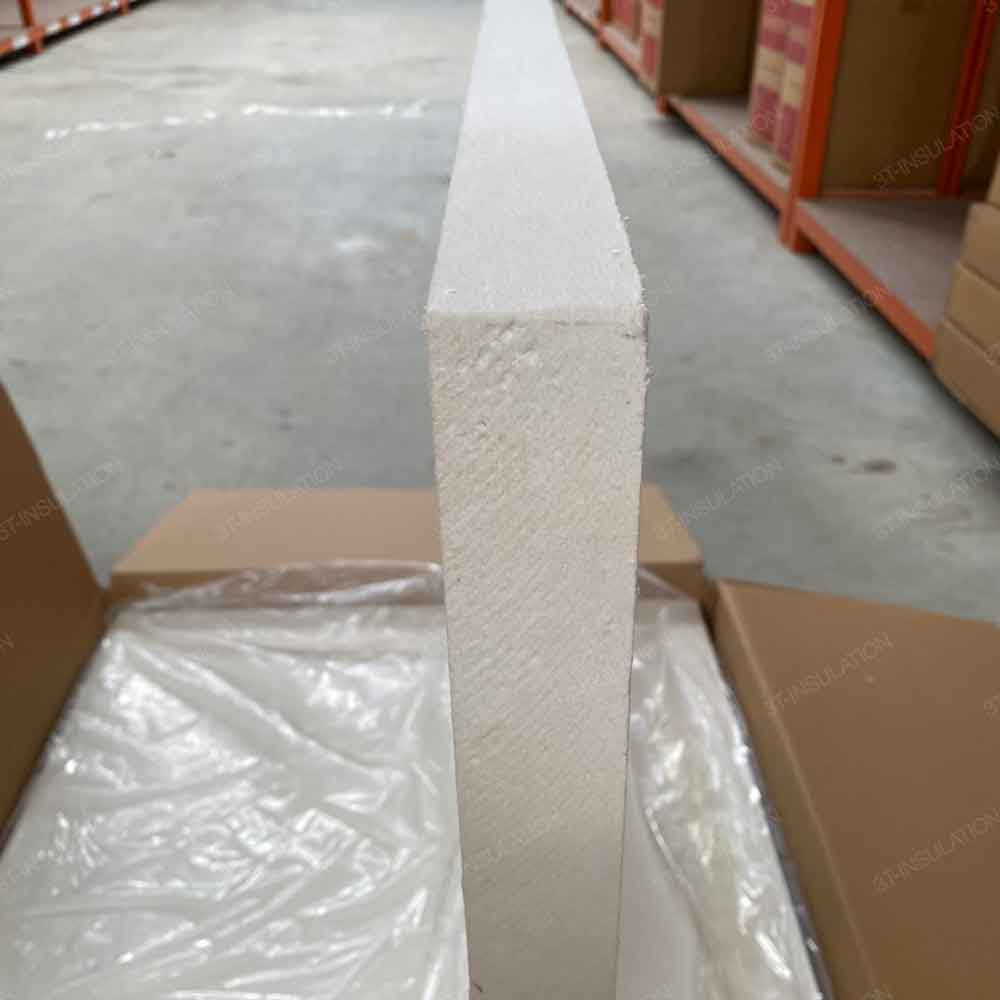
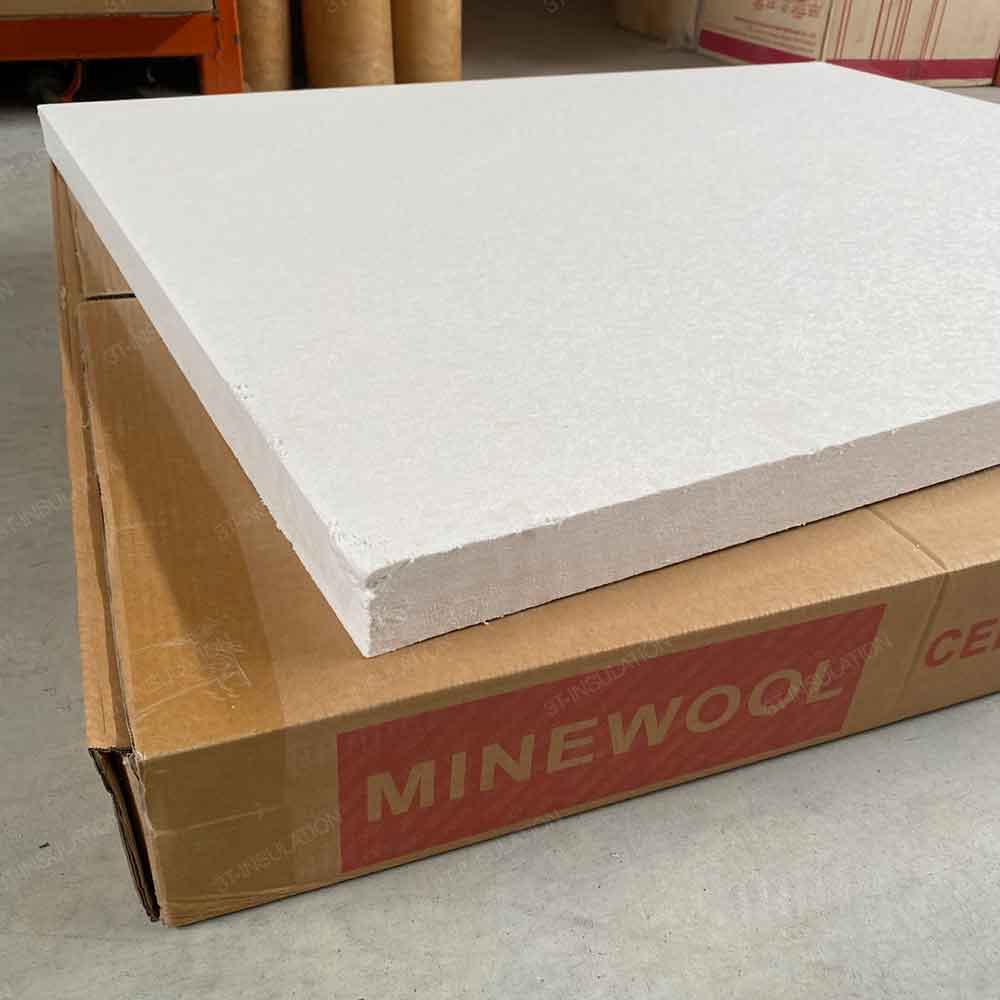
MINEWOOL Ceramic Fiber Board is manufactured from high-quality ceramic fibers mixed with special binders through a vacuum forming process. This results in boards with uniform density (300 kg/m³), a smooth surface, and high heat resistance up to 1,260°C.
If your application requires insulation with greater “mechanical strength” than blankets, Ceramic Fiber Board is the ideal solution.
🌟 Why choose Ceramic Fiber Board over Blanket insulation?
- High Rigidity: Unlike flexible blankets, these boards are rigid and retain their shape. They can be easily trimmed or fabricated into pre-fabricated components.
- High Precision: Ideal for applications requiring exact dimensions, such as furnace linings where smoothness is essential for optimal hot air flow efficiency.
- Resistance to Gas Erosion: The higher density allows the board to withstand high-velocity hot air currents within the furnace without fiber shedding.
- Excellent Thermal Insulation: Features very low thermal conductivity, effectively maintaining furnace temperatures and significantly saving energy.
MINEWOOL Ceramic Fiber Board is manufactured from high-quality ceramic fibers mixed with special binders through a vacuum forming process. This results in boards with uniform density (300 kg/m³), a smooth surface, and high heat resistance up to 1,260°C.
If your application requires insulation with greater “mechanical strength” than blankets, Ceramic Fiber Board is the ideal solution.
{%CAPTION%}
🌟 Why choose Ceramic Fiber Board over Blanket insulation?
- High Rigidity: Unlike flexible blankets, these boards are rigid and retain their shape. They can be easily trimmed or fabricated into pre-fabricated components.
- High Precision: Ideal for applications requiring exact dimensions, such as furnace linings where smoothness is essential for optimal hot air flow efficiency.
- Resistance to Gas Erosion: The higher density allows the board to withstand high-velocity hot air currents within the furnace without fiber shedding.
- Excellent Thermal Insulation: Features very low thermal conductivity, effectively maintaining furnace temperatures and significantly saving energy.
🛠️ Where is it suitable for use?
- Hot Face Lining: Used as a direct flame-facing layer or the innermost lining of a furnace.
- Furnace Components: Used for furnace doors, burner blocks, or baffles.
- Maintenance Work: Used as a repair material for cracked or damaged old furnace walls.
- Metal and Glass Industries: Suitable for steel annealing furnaces, non-ferrous metal melting furnaces, and high-precision applications.
✨ Key Features of MINEWOOL Ceramic Fiber
- Easy to Trim: Can be immediately cut to desired sizes using a saw or utility knife.
- Dimensional Stability: Low shrinkage even at extreme temperatures ensures your furnace maintains its shape, preventing gaps where heat could leak.
- Asbestos-Free: Guaranteed health safety; 100% free from carcinogenic asbestos materials.
Installation Methods
Due to its high rigidity, the board can be installed using several methods depending on the site conditions:
- Installation with Refractory Anchors (Anchoring System):
- Used for large furnace walls, utilizing Ceramic Anchors or High Heat Resistant Steel Anchors (Grade 310S or 330) to secure the boards to the furnace’s steel structure and prevent them from falling.
- Bonding with Refractory Cement / High Temp Adhesive:
- For smaller jobs or smooth furnace walls, High Temperature Cement can be applied to the back of the board and pressed directly onto the wall.
- Pro Tip: Apply the adhesive evenly and hold in place until it sets.
- Backing Lining:
- When used as a secondary (back-up) insulation layer, boards can be stacked using simple tie-back anchors and welding wire.
Accessories
To ensure a complete and functional installation, you should prepare the following equipment:
- Refractory Cement: For bonding or sealing joints between boards to prevent flame or thermal leakage.
- Refractory Anchors (Ceramic/Stainless Anchors): Fasteners to secure the board to the main structure (crucial for walls subject to vibration).
- Ceramic Fiber Tape: Used to wrap or seal joints between boards to reduce the chance of heat leaking through gaps.
- Heat Resistant Wire: Used for tying or securing anchors in hard-to-reach areas.
- Personal Protective Equipment (PPE): As this is a fiber material, gloves, dust masks (N95 or higher), and safety goggles should be worn during cutting or installation, as fibers may irritate the skin and respiratory tract.
Best Practices
- Trimming: Use a large utility knife (for scoring) or a hand saw (for full cuts). The boards are very easy to trim.
- Joints: Should be installed with “Staggered Joints” similar to bricklaying to minimize the chance of heat passing through the gaps between boards.
- Dry-out/Curing: After installation, do not immediately ramp up the temperature to 1,260°C. Moisture should be removed from the cement or repair materials according to a proper dry-out schedule to prevent board cracking or adhesive failure.
Applications in Real Industry
Ceramic Fiber Board 1,260°C is widely applicable as follows:
- Emergency Repairs: Can be cut into patches to cover furnace walls where refractory bricks have cracked or fallen, extending the furnace’s life without a full rebuild.
- Fire Doors: Used as an internal core for industrial fire doors to prevent heat from spreading to other rooms.
- Workpiece Support: Used as a support plate in ovens to prevent workpieces from directly contacting the extremely hot furnace floor.
- Burner Blocks: Can be fabricated into openings for installing burners in melting furnaces.
Baffles: Used to direct hot air flow within the furnace for more uniform circulation.
Additional Products / Related Products
Price 2,086.14 บาท – 6,912.00 บาทPrice range: 2,086.14 บาท through 6,912.00 บาท


