
Increasing Water Pressure in Pipe Systems
3T Recommendations
You can choose to read about the design of various piping systems, including plumbing and hot water pipes, in this article.
Introduction
In every building, the water requirement is clean water with sufficient flow for use. However, we often find that water from the main pipe flows weakly and is insufficient for use, whether for sanitary fixtures or various equipment. This may be caused by the following:
- Water pressure in the main pipe system is too low
- The main pipe is too small
- New buildings have been constructed and water is being diverted to the new buildings using the existing main pipe
- The original pipe has a lot of scale buildup
- There is high water usage during that time period
Therefore, we need to measure the water pressure before we increase the water pressure. For general building water pumping systems, they are divided into 3 systems:
- System using water pump and elevated tank
- System using direct pressure boosting pump
- System using water pump and pressure tank
Calculations related to water pumps
The size of the water pump is determined by the flow rate (Q̇) and pressure (ΔP) during operation. The calculation of the pump size will determine the total head of the entire system, as shown in Figure 1 and Figure 2
Definitions of various pressures in the pipe system
Static Head is the height from the water source to the water discharge point, measured in meters
Suction Head is the height from the centerline of the pump to the water surface that is higher than the pump, measured in meters (when the water source is higher than the pump)
Suction Lift is the height from the centerline of the pump to the water surface that is lower than the pump, measured in meters (when the water source is lower than the pump)
Discharge Static Head is the height from the centerline of the pump to the water discharge level, measured in meters
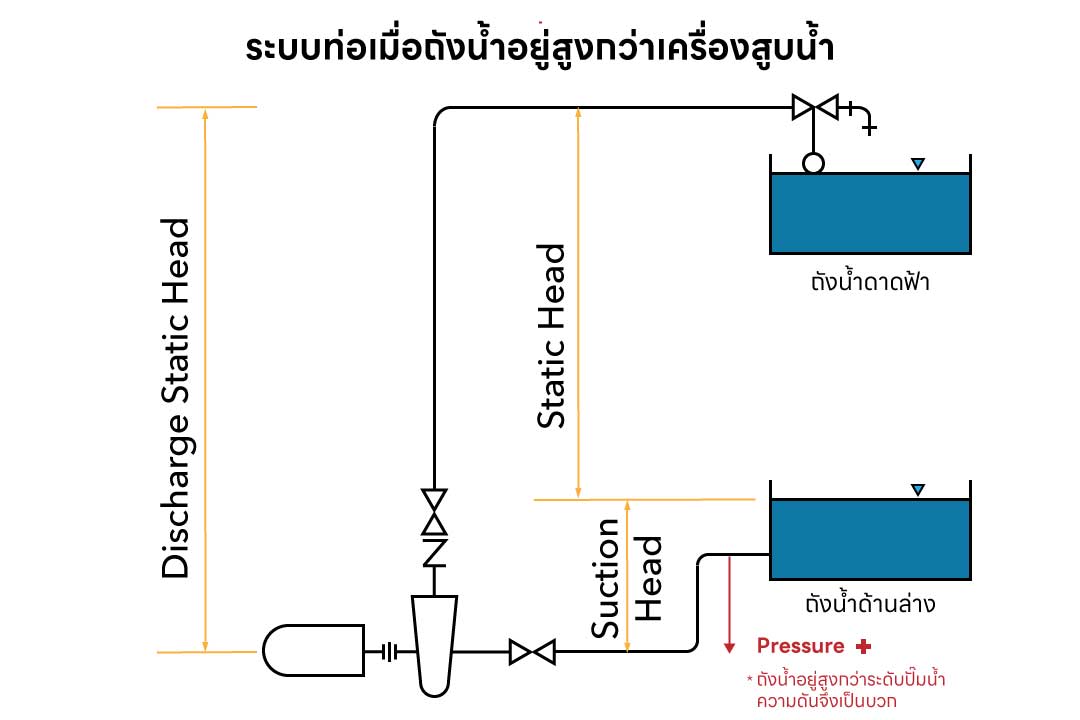
Figure 1 - Illustration of a pump with water source above pump level
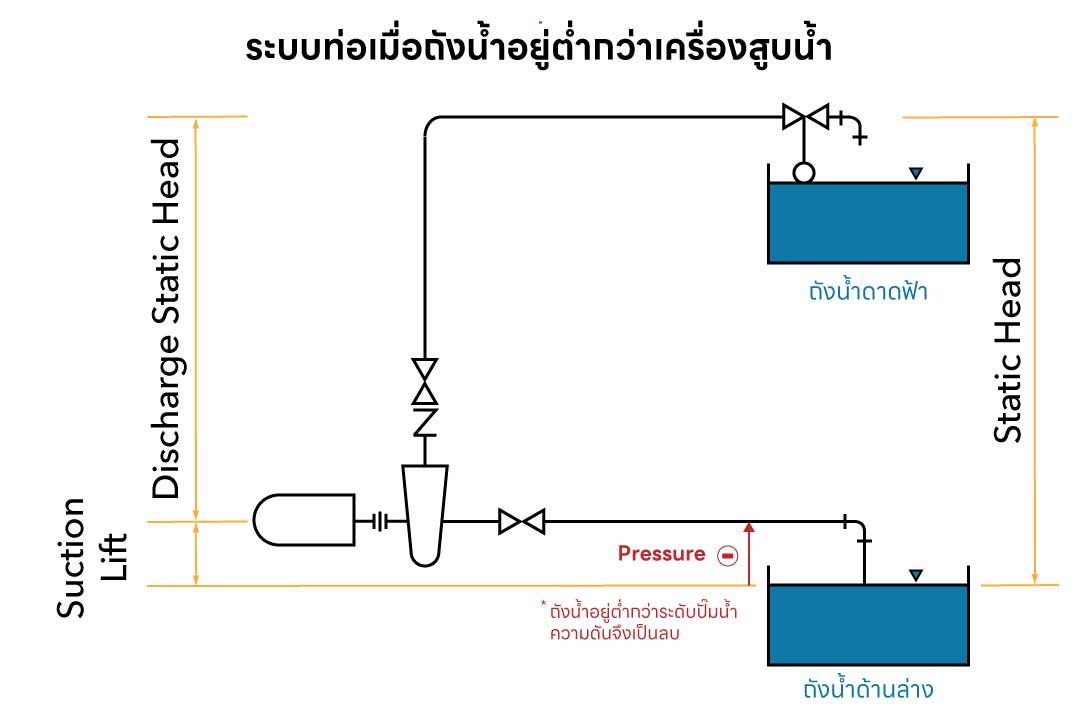
Figure 2 - Illustration of a pump with water source below pump level
Water Pump Size
Water flowing inside the pipe will experience pressure drops due to friction and other pressure losses, such as strainers and various fittings. These pressure drops must be added to other pressures to determine the pump size, called Total Dynamic Head (Total Dynamic Head)
Pump Total Dynamic Head = Static Head + Other pressure drops in the pipe system
Once the total dynamic head and required flow rate are obtained, the size of the motor used to drive the water pump can be calculated using equations 3.1 and 3.2:
HP = QH/3690η …………………(3.1) BS Unit
HP = Motor horsepower (HP)
Q = Flow rate (gpm)
H or ΔP = Total Dynamic Head (ft)
η = Pump efficiency
kW = QH/102η …………………(3.2) SI Unit
kW = Motor kilowatts (kW)
Q = Flow rate (lps)
H or ΔP = Total Dynamic Head (m) ; Hydraulic Meter (meters of water)
η = Pump efficiency
Standard Motor Sizes
0.37 kW (0.5 HP). 0.75 kW (1 HP). 1.12 kW (1.5 HP)
1.49 kW (2 HP) 2.24 kW (3 HP) 3.73 kW (5 HP)
5.6 kW (7.5 HP) 7.46 kW (10 HP) 11.19 kW (15 HP)
14.92 kW (20 HP) 18.65 kW (25 HP) 22.38 kW (30 HP)
29.84 kW (40 HP) 37.3 kW (50 HP) 44.76 kW (60 HP)
55.95 kW (75 HP) 74.6 kW (100 HP)
Example 1 If a centrifugal pump is required to pump water to a storage tank on the roof at a rate of 20 lps, with the following height differences in the system: The height of the tank from the centerline of the pump is 50 meters, the water pressure in the suction pipe is 1 bar. Assuming the pressure drop due to friction in the pipe system is equal to 12 meters, what size pump set should be chosen if the pump efficiency is 70%?
Discharge Static Head : = 50 meters
Suction Head : 1 bar = 10 meters
Net Pressure = 50 – 10 + 12 = 52 meters
kW = QH/102η = (20)(52) / 102(0.7) = 14.56
Therefore, choose a pump with a capacity of 20 lps, total dynamic head of 52 meters, and use a 14.92 kW motor
>>>> Choosing a motor size lower than this will cause the motor to burn out
Elevated Tank System
This is a reserve water tank suitable for buildings with 4 floors or more that have high water demand. The size of the elevated tank will depend on the maximum water demand and continuous usage time, and should be able to supply water for at least 1 hour when the pump has problems.
If the tank needs to be used for fire suppression water supply as well, the capacity should be increased by at least 15 cubic meters, as shown in Figure 3
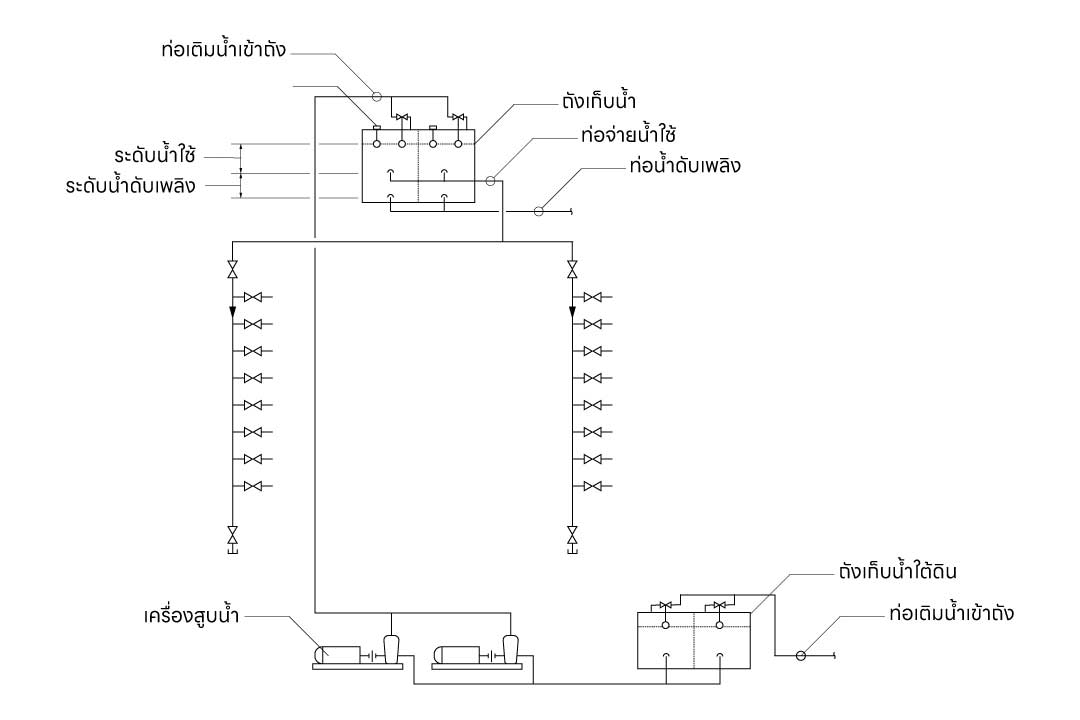
Figure 3 - Water distribution system using elevated roof tank
The pump that fills the tank will be controlled by a float switch, and there should be no fewer than 2 pumps, with each pump capable of meeting the demand. This is because if one pump fails, there will be another backup pump to switch and use instead.
If there are 3 pumps, each pump should have a pumping rate of 50% of the water demand.
To estimate the pumping rate for different types of buildings, use the data in Table 3.1. There are two main principles for estimating the capacity:
- Estimate the tank size by setting the cycle or rotation of the pump operation to fill the tank. Normally, it should not operate more than 4 times in 1 hour.
- Estimate the tank size by considering the reserve water volume that can be used when the pump filling the tank malfunctions. It should not be less than 1 hour.
Table 1 Factors for determining pump size (continued)
| Number of Fixtures | lpm (gpm)/Fixture | Min. Pump cap. lps (gpm) |
Max. Pump cap. lps (gpm) |
|---|---|---|---|
| Apartment | |||
| 1-25 | 2.27 (0.60) | 0.63 (10) | 0.95 (15) |
| 26-50 | 1.89 (0.50) | 1.00 (15) | 1.58 (25) |
| 51-100 | 1.32. (0.35) | 1.89 (30) | 2.21 (35) |
| 101-200 | 1.14 (0.30) | 2.52 (40) | 3.79 (60) |
| 201-400 | 1.06 (0.28) | 4.10 (65) | 7.25 (115) |
| 401-800 | 0.95 (0.25) | 7.6 (120) | 12.60 (200) |
| 801-UP | 0.91 (0.24) | 13.20 (210) | ……… |
| Hotels and Clubs | |||
| 1-50 | 2.46 (0.65) | 1.58 (25) | 2.08 (33) |
| 51-100 | 2.08 (0.55) | 2.21 (35) | 3.47 (55) |
| 101-200 | 1.70 (0.45) | 3.79 (60) | 5.68 (90) |
| 201-400 | 1.32 (0.35) | 6.31 (100) | 8.83 (140) |
| 401-800 | 1.04 (0.28) | 9.5 (150) | 13.20 (210) |
| 801-1200 | 0.95 (0.25) | 14.20 (225) | 18.90 (300) |
| 1201-up | 0.76 (0.20) | 18.90 (300) | ……… |
| Hospitals | |||
| 1-50 | 3.79 (1.0) | 1.58 (25) | 3.15 (50) |
| 51-100 | 3.03 (0.8) | 3.47 (55) | 5.05 (80) |
| 101-200 | 2.27 (0.6) | 5.36 (85) | 7.60 (120) |
| 201-400 | 1.89 (0.5) | 7.89 (125) | 12.60 (200) |
| 401-up | 1.51 (0.4) | 13.20 (210) | ……… |
Table 1: Factors for Determining Water Pump Size
| Number of Fixtures | lpm (gpm)/Fixture | Min. Pump cap. lps (gpm) |
Max. Pump cap. lps (gpm) |
|---|---|---|---|
| Office Buildings | |||
| 1-25 | 4.73 (1.25) | 1.58 (25) | 1.96 (31) |
| 26-50 | 3.41 (0.90) | 2.21 (35) | 3.03 (48) |
| 51-100 | 2.65 (0.70) | 3.15 (50) | 4.42 (70) |
| 101-150 | 2.46 (0.65) | 4.73 (75) | 6.18 (98) |
| 151-250 | 2.08 (0.55) | 6.31 (100) | 8.71 (138) |
| 251-500 | 1.70 (0.45) | 8.83 (140) | 14.20 (225) |
| 501-750 | 1.32 (0.35) | 14.51 (230) | 16.53 (262) |
| 751-1000 | 1.14 (0.30) | 17.03 (270) | 18.90 (300) |
| 1001-up | 1.04 (0.28) | 19.56 (310) | …… |
| Industrial Buildings | |||
| 1-25 | 5.08 (1.50) | 1.58 (25) | 2.40 (38) |
| 26-50 | 3.79 (1.oo) | 2.52 (40) | 3.15 (50) |
| 51-100 | 2.84 (0.75) | 3.79 (60) | 3.73 (75) |
| 101-150 | 2.65 (0.70) | 5.05 (80) | 6.62 (105) |
| 151-250 | 2.46 (0.65) | 6.94 (110) | 10.22 (162) |
| 250-up | 2.27 (0.60) | 10.41 (165) | …… |
| Schools | |||
| 1-10 | 5.68 (1.50) | 0.63 (10) | 0.95 (15) |
| 11-25 | 3.79 (1.00) | 1.01 (16) | 1.58 (25) |
| 26-50 | 3.03 (0.80) | 1.89 (30) | 2.52 (40) |
| 51-100 | 2.27 (0.60) | 2.84 (45) | 3.79 (60) |
| 101-200 | 1.89 (0.50) | 4.10 (65) | 6.31 (100) |
| 201-up | 1.51 (0.40) | 6.94 (110) | …… |
Water Tank Size
The water tank size should have sufficient capacity for water usage. The duration depends on the building type. Generally, the satisfactory principles for determining tank size are:
- If the pump flow rate does not exceed 380 lpm (100 gpm), the storage tank capacity should be at least 40 times the pump flow rate per minute.
- If the pump flow rate exceeds 380 lpm, the elevated tank capacity should be at least 30 times the pump flow rate per minute, but not less than 15 cubic meters.
However, the total capacity of the elevated tank and underground reserve tank should provide approximately 1 day of usage.
In cases where the elevated tank is also used for fire protection, additional capacity must be added according to fire protection requirements. If used for cooling towers, an additional 15 times the cooling tower makeup water rate per minute must be added to the tank capacity.
Example 2 A hotel has 500 plumbing fixtures, with a rooftop elevated tank water distribution system. If the laundry room requires 1.0 lps for laundry and pressing, and the air conditioning cooling tower makeup water rate is 1.2 lps from the elevated tank, determine the pump size and elevated tank size if the pump net pressure is 30 meters.
Calculate the elevated tank size:
From Table 1, water usage for fixtures only = 1.04 lpm/fixture
Total water usage for all fixtures = (1.04)(500) = 520 lpm
Water for laundry room = 1 lps = 60 lpm
Water for cooling tower = 1.2 lps = 72 lpm
Pump size = (520 + 60 + 72) = 10.87 lps
Elevated tank capacity = (520 + 60)(30) + (72)(15) = 18.48 m3
Therefore, use an elevated tank with minimum capacity = 20 m3
Direct Boosting System
The pump connected directly to the plumbing fixture water distribution system, as shown in Figure 4, is called a Booster Pump. This is suitable for buildings with moderate water usage. An additional elevated tank can be added at the top floor.
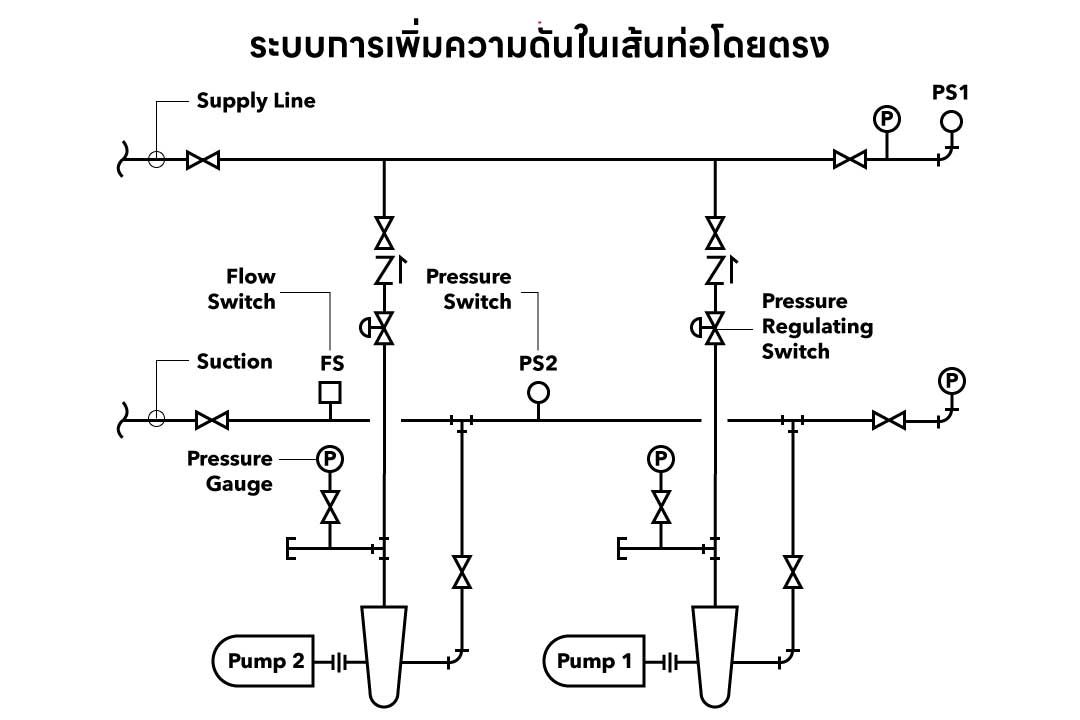
Figure 4 - Direct pipe pressure boosting system using Booster Pump
The total pump capacity must not be less than the maximum water demand. Typically, 1-3 pumps are used. If the system uses more than 1 pump, we can select the pump flow rate suitable for the building according to Table 2. This selection will help reduce pump energy consumption.
Table 2: Pump Flow Rate Distribution in Percentage
| Building Type | 0 lps – 10 lps | 10 lps – 32 lps | 32 lps – 63 lps |
|---|---|---|---|
| Apartment/Office/School | 65% – 65% 20% – 40% – 40% 30% – 40% – 40% |
20% – 40% – 40% 30% – 40% – 40% 25% – 50% – 50% |
20% – 40% – 40% 30% – 40% – 40% 25% – 55% – 55% |
| Hotel | 50% – 50% 65% – 65% 20% – 40% – 40% |
20% – 40% – 40% 30% – 40% – 40% 25% – 55% – 55% |
20% – 40% – 40% 30% – 40% – 40% 25% – 55% – 55% |
| Hospital | 65% – 65% 30% – 40% – 40% 30% – 70% – 70% |
30% – 40% – 40% 25% – 55% – 55% 30% – 70% – 70% |
30% – 40% – 40% 25% – 55% – 55% 30% – 70% – 70% |
| Industrial Building | 50% – 50% 20% – 40% – 40% |
20% – 40% – 40% 30% – 40% – 40% |
20% – 40% – 40% 30% – 40% – 40% |
Pressure Tank System
The pressure tank system is more suitable for large buildings than the direct boosting system. This system can be divided into 2 types:
- Type with air compressor
- Type with built-in air compression
Pressure Tank System with Air Compressor
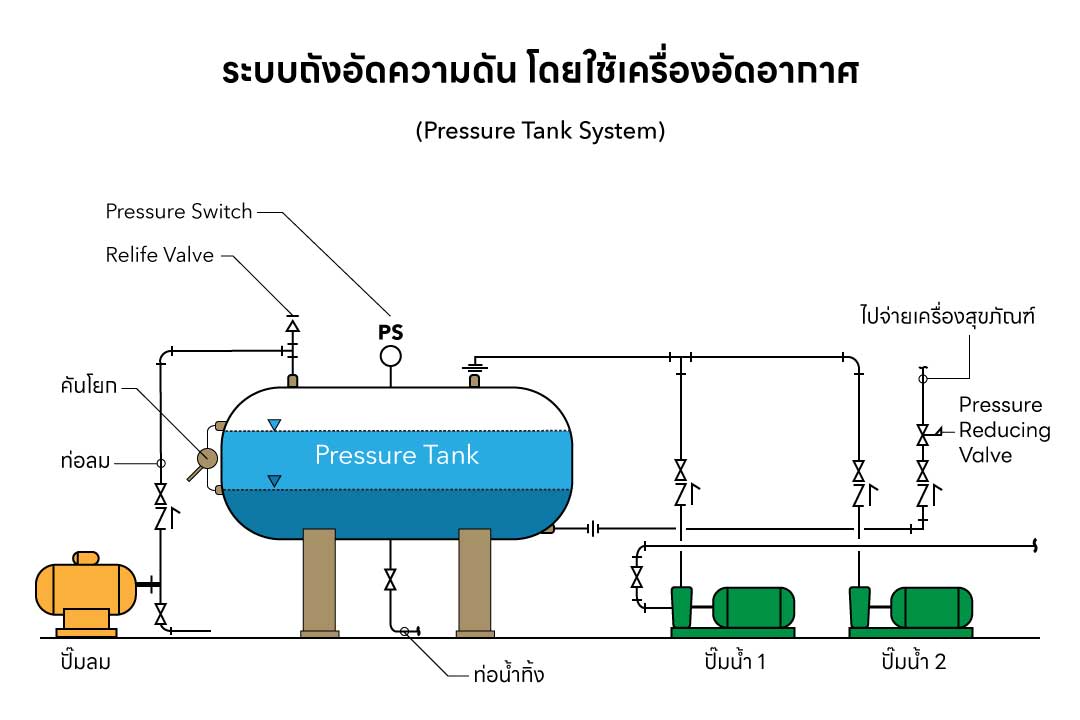
Figure 5 - Water distribution system using air compressor
The sizing of water pumps according to building type can be found in Table 2. Systems using air compressors have a compressor that supplies air into the tank to create appropriate pressure for water distribution.
The system has high efficiency, with the water pump operating no more than 4 times/hour (to prevent motor damage). To achieve the mentioned operation, the pressure tank should have a capacity of 25-30 times the pumping rate per minute.
The disadvantage of systems using air compressors is that they require large installation space due to the large size of the pressure tank.
Pre-charge hydro pneumatic system
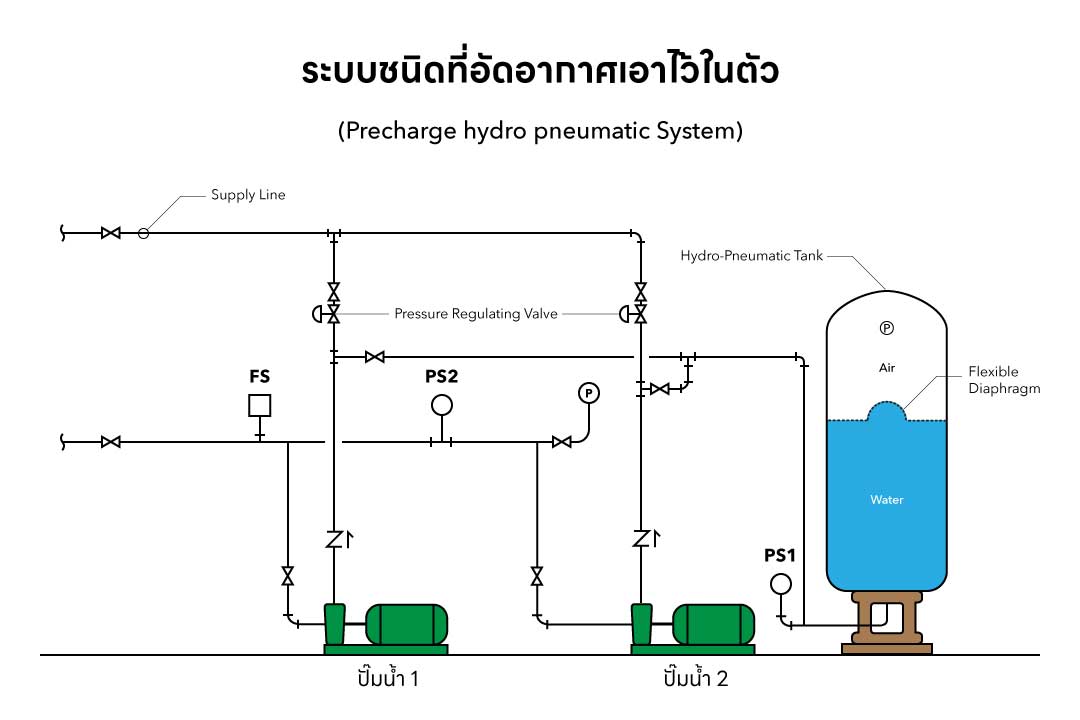
Figure 6 - Pre-charge hydro pneumatic system
In pre-charged systems, the pre-charged pressure level depends on the main system’s pressure requirements. The pressure tank is smaller than in air compressor systems because it only stores excess water from system requirements. Typically, the capacity doesn’t exceed 500 liters. If additional capacity is needed, additional tanks can be connected. For pump rate allocation, refer to Table 2.


