
Essential Information Before Installing Sound Insulation and Sound Absorption Materials
“Sound” is a problem many people encounter, including echo in buildings that makes communication difficult and loud noises that cause lack of concentration while working. How can these problems be solved? From these frequently encountered problems, sound insulation materials, sound absorption materials, and acoustic insulation have been developed.
Sound insulation and sound absorption materials are innovations created to manage unwanted sound problems, including loud noise, echo, and reverberation. First, we need to understand the types of problems and select appropriate materials to solve them.

Echo and Loud Noise: The Root of Sound Problems?
Echo occurs when sound reflects off materials such as walls or ceilings, bouncing back and forth, causing the area to produce reverberant, booming sounds throughout the space.
Loud noise originates from loud sound sources, but we hear loud sounds because there are no protective materials, walls, or ceilings before the sound reaches our ears.
What are Sound Insulation and Sound Absorption Materials?
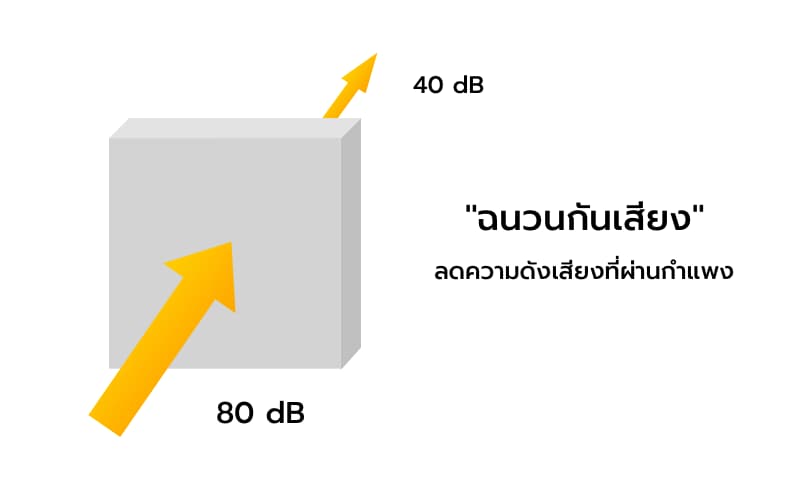
Sound insulation refers to materials with “blocking” properties that prevent sound from one room from penetrating to another room. Most materials are used with walls, such as brick walls or lightweight partition walls, to separate rooms and prevent external sounds.
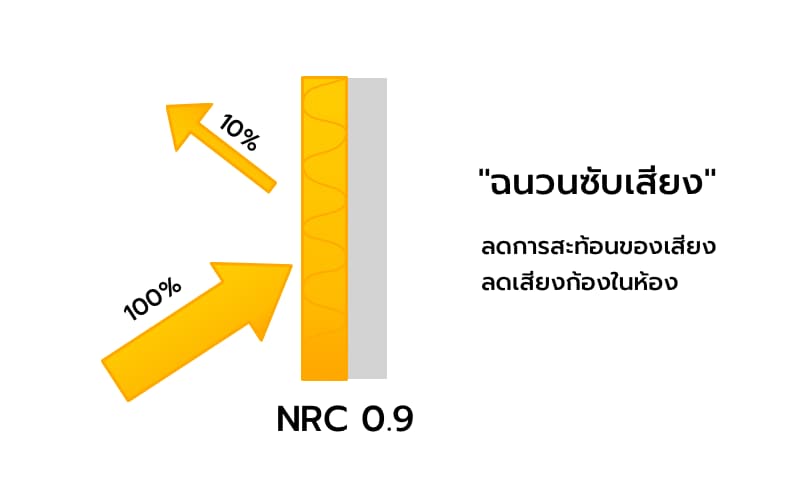
Sound absorption materials are materials that reduce echo and reverberation. The material structure has internal pores that absorb sound when it hits them, reducing sound reflection. They are mostly made from glass fiber, rock wool, foam, or foam panels, with external surfaces covered with fabric or moisture-resistant materials.
Differences Between Sound Insulation and Sound Absorption Materials
Sound insulation and sound absorption materials are manufactured to address different problems. Sound insulation serves to “block” sound from passing through, helping solve “loud noise” problems, primarily evaluated by STC (Sound Transmission Class) values. Sound absorption materials serve to “absorb” sound within rooms, helping solve “reverberation” and “echo” problems, primarily evaluated by NRC (Noise Reduction Coefficient) and SAC (Sound Absorption Coefficient) values.
How Do Thermal Insulation and Sound Insulation Differ?
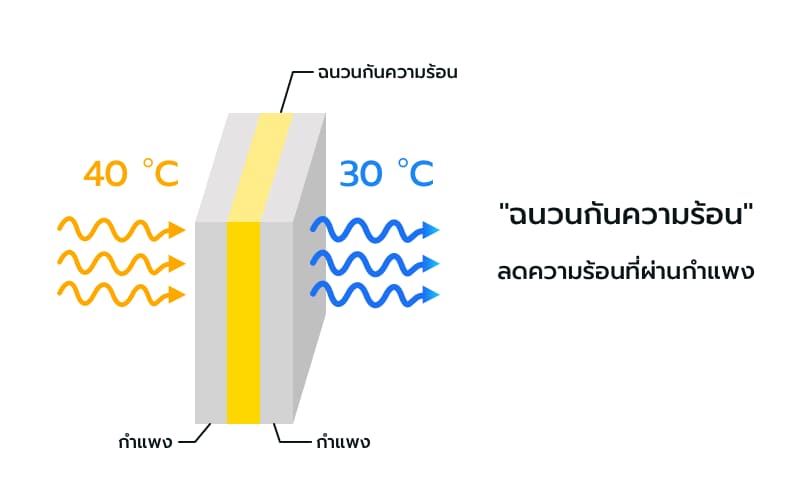
The difference between thermal insulation and sound insulation is that thermal insulation aims to reduce heat, evaluated by thermal conductivity (K-Value), while sound insulation aims to reduce sound volume, primarily evaluated by STC (Sound Transmission Class) values. Sometimes thermal insulation and sound insulation may be the same type of material, such as glass fiber insulation or rock wool insulation, because low thermal conductivity makes them good thermal insulators, and their porous structure allows them to absorb and block sound, making them good sound insulators as well.
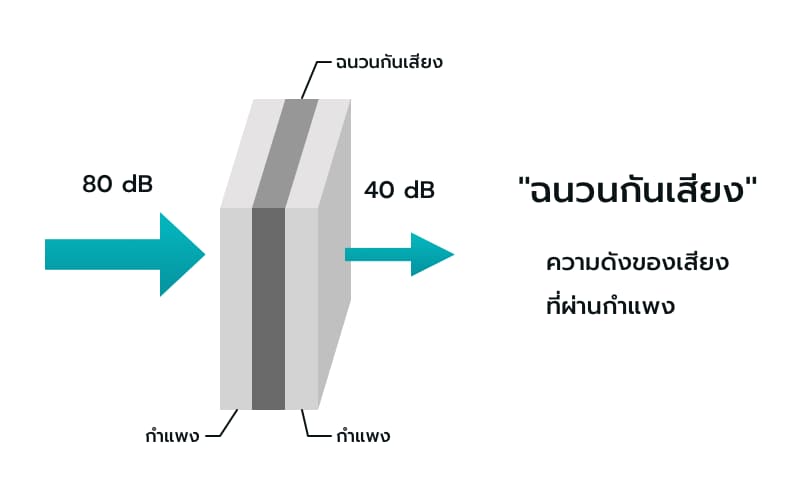
Applications of Sound Insulation and Sound Absorption Materials
Benefits of Sound Absorption Materials
- Meeting rooms and seminar rooms should use sound absorption materials because frequent communication and conversation cause frequent sound reflection, making communication difficult and sometimes making speakers inaudible.
- Theaters and cinemas should install sound absorption materials to reduce sound reflection within rooms that may affect the enjoyment of performances or movies.
- Karaoke rooms and recording studios must install sound absorption materials to prevent unwanted sounds from entering microphones during recording, which could damage the final product.
Benefits of Sound Insulation
- Bedrooms or sleeping rooms should be separated with walls installed with sound insulation to prevent sounds from other rooms from entering our room and prevent sounds from our room from passing to other rooms.
- Work areas adjacent to noisy areas should install sound insulation to prevent external sounds from disturbing work concentration, which significantly affects work efficiency.
- Machinery or buildings with operating machinery should use sound insulation to prevent loud sounds from disturbing surrounding people.
Recommended Sound Insulation and Sound Absorption Materials
Safe ‘n’ Silent Pro Insulation from ROCKWOOL
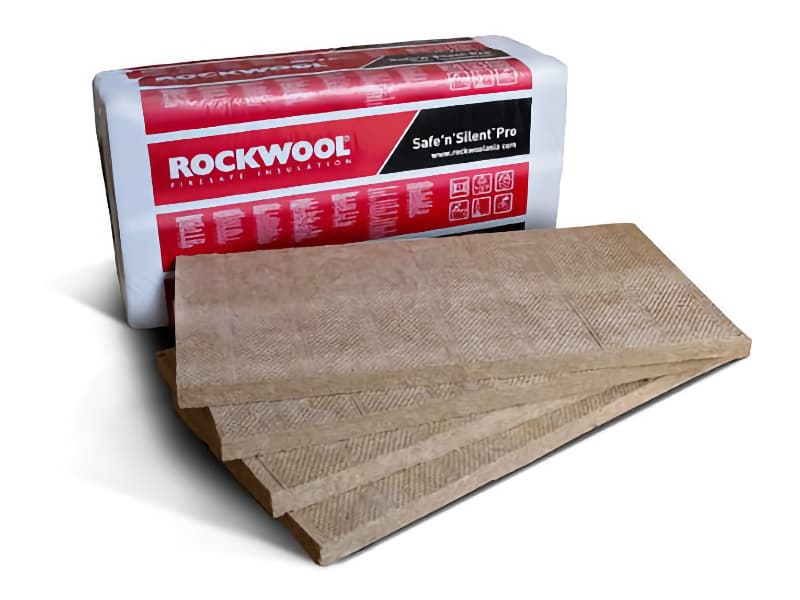
This is sound insulation and thermal insulation made from rock wool material produced from molten volcanic rock. It has 90% sound absorption capability (NRC 0.9), helping rooms designed to meet NC (Noise Criteria) sound measurement standards, which are requirements for room design.
M-Sorb Insulation from M-PE
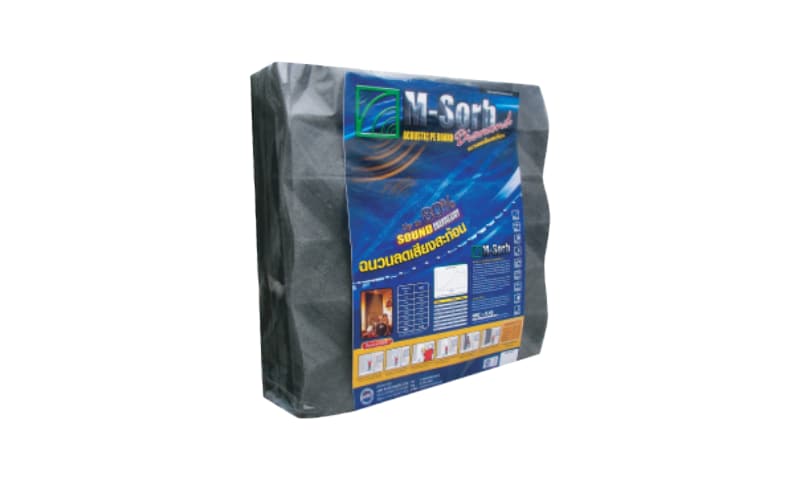
This is sound insulation that reduces sound reflection. The material is PE (Polyethylene Foam) with a pyramid-textured surface to control sound reflection and direction.
ArmaPhonic Sound Absorption Insulation from Armacell
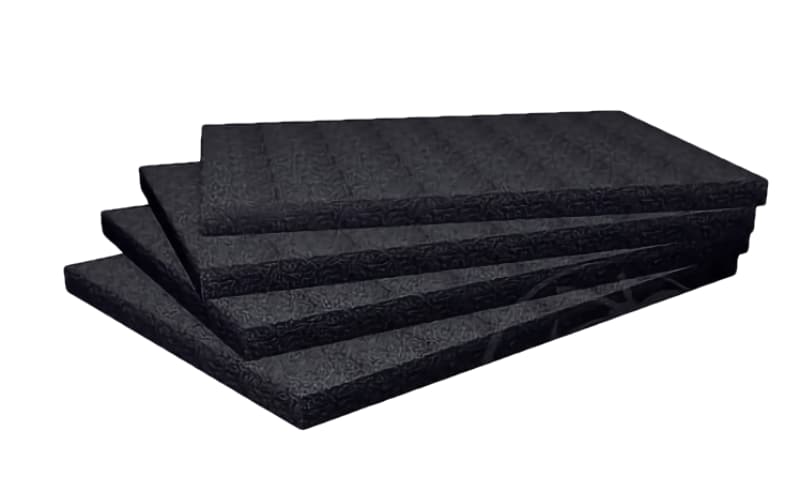
ArmaPhonic insulation is a special sound absorption material with an open-cell structure that provides excellent sound absorption. Being rubber-based, it contains no fibers and has been developed to be thinner while maintaining original performance. It is used in large-scale air conditioning HVAC systems and industrial machinery.
Cylence Insulation from SCG
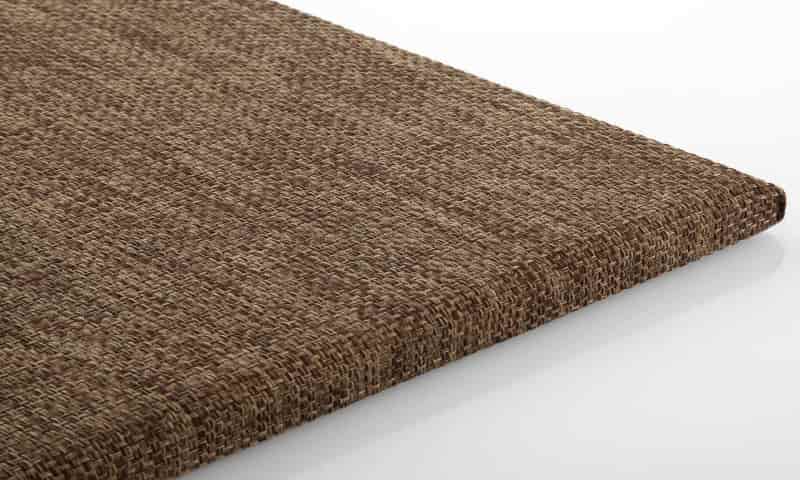
Cylence sound insulation and sound absorption materials from SCG offer various models for different applications. These materials are specifically designed for different types of sound applications, including reducing echo, reverberation, and loud noise, suitable for buildings with various rooms having different uses.


